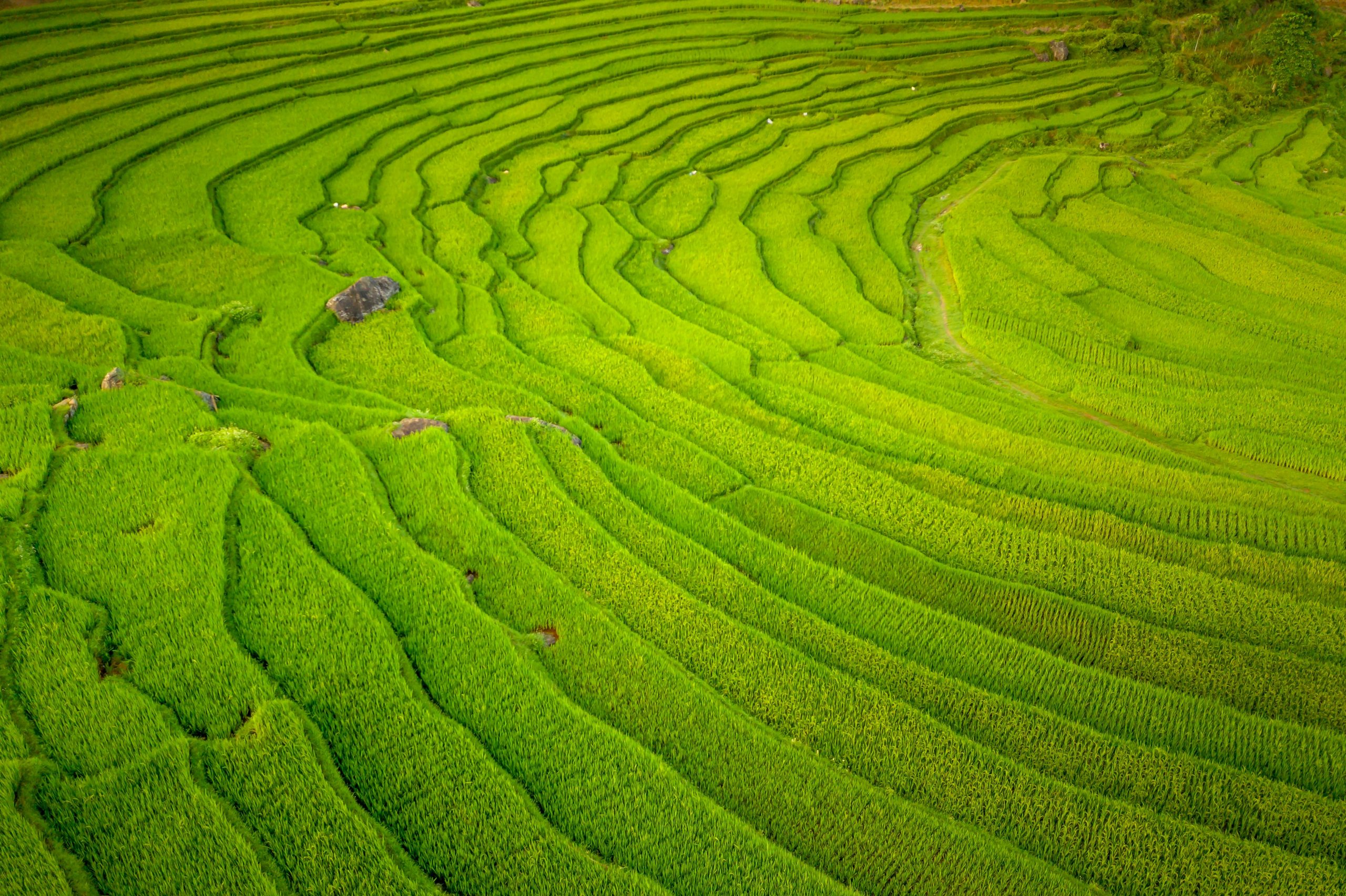
Discovering the Enchanting Muong Hoa Valley: Sapa’s Hidden Gem
If you’ve ever dreamt of stepping into a living postcard, where emerald rice terraces cascade down mountainsides and the vibrant culture of ethnic minorities thrives, then let me introduce you to the Muong Hoa Valley. Nestled just a stone’s throw from the bustling town of Sapa in northern Vietnam, this valley is an absolute must-visit for any adventurer or culture seeker.
I remember my first glimpse of the valley – it was like the world suddenly held its breath. The scale of it, the intricate patterns of the rice paddies, and the mist clinging to the peaks of Hoang Lien Son mountain range… it truly felt like I had found a slice of paradise. It’s not just the views that captivate you; it’s the feeling of being immersed in a way of life that has remained unchanged for centuries.
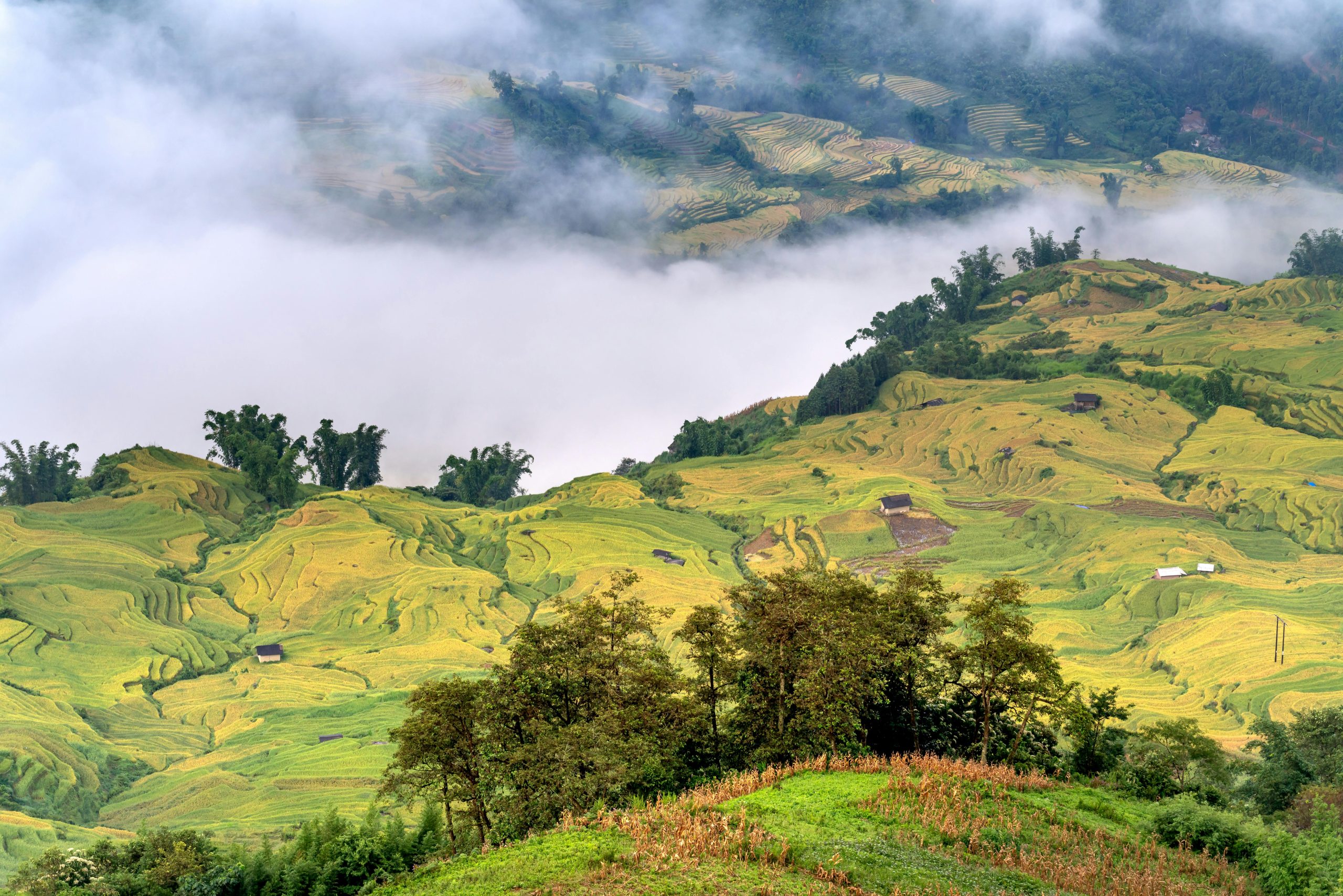
Trekking Through Timeless Landscapes
The heart of the Muong Hoa Valley experience is undoubtedly trekking. Forget crowded tourist traps; here, you can truly connect with nature and the local communities. We embarked on a multi-day trek that took us through stunning landscapes, past cascading waterfalls, and into charming villages. Each turn offered a new vista, more impressive than the last.
The trails range from easy strolls to challenging climbs, so there’s something for every fitness level. You’ll often find yourself walking alongside the Muong Hoa River, which carves its way through the valley, acting as a lifeline for the communities here. The air is fresh, filled with the scent of damp earth and blooming wildflowers, and the only sounds are the chirping of birds and the gentle rustle of leaves.
Popular Trekking Routes & Villages to Explore:
- Lao Chai Village: Home to the Black H’mong people, offering stunning views and a glimpse into their daily lives.
- Ta Van Village: A diverse community of H’mong, Giay, and Red Dao people, known for its beautiful homestays.
- Cat Cat Village: While more touristy, it’s easily accessible and offers traditional crafts and a waterfall.
- Giang Ta Chai Village: A Red Dao village nestled among bamboo forests, often included in longer treks.
As you trek, you’ll encounter friendly locals, often children, who might offer to guide you or sell you handicrafts. It’s a wonderful opportunity to interact and learn a few basic Vietnamese phrases – they always appreciate the effort!
A Deep Dive into Local Culture
Beyond the picturesque scenery, the true magic of Muong Hoa Valley lies in its people. The valley is home to several ethnic minority groups, each with their own distinct traditions, languages, and vibrant attire. Staying in a homestay is, in my opinion, the only way to truly experience this. We spent a night with a H’mong family in Ta Van, sharing meals, stories, and even trying our hand at preparing traditional dishes.
“Travel is not about seeing new places, it’s about seeing the old with new eyes.” This quote resonates so deeply with my experience in Muong Hoa. It’s not just about the beautiful scenery, but about the fresh perspective you gain from truly connecting with a different way of life.
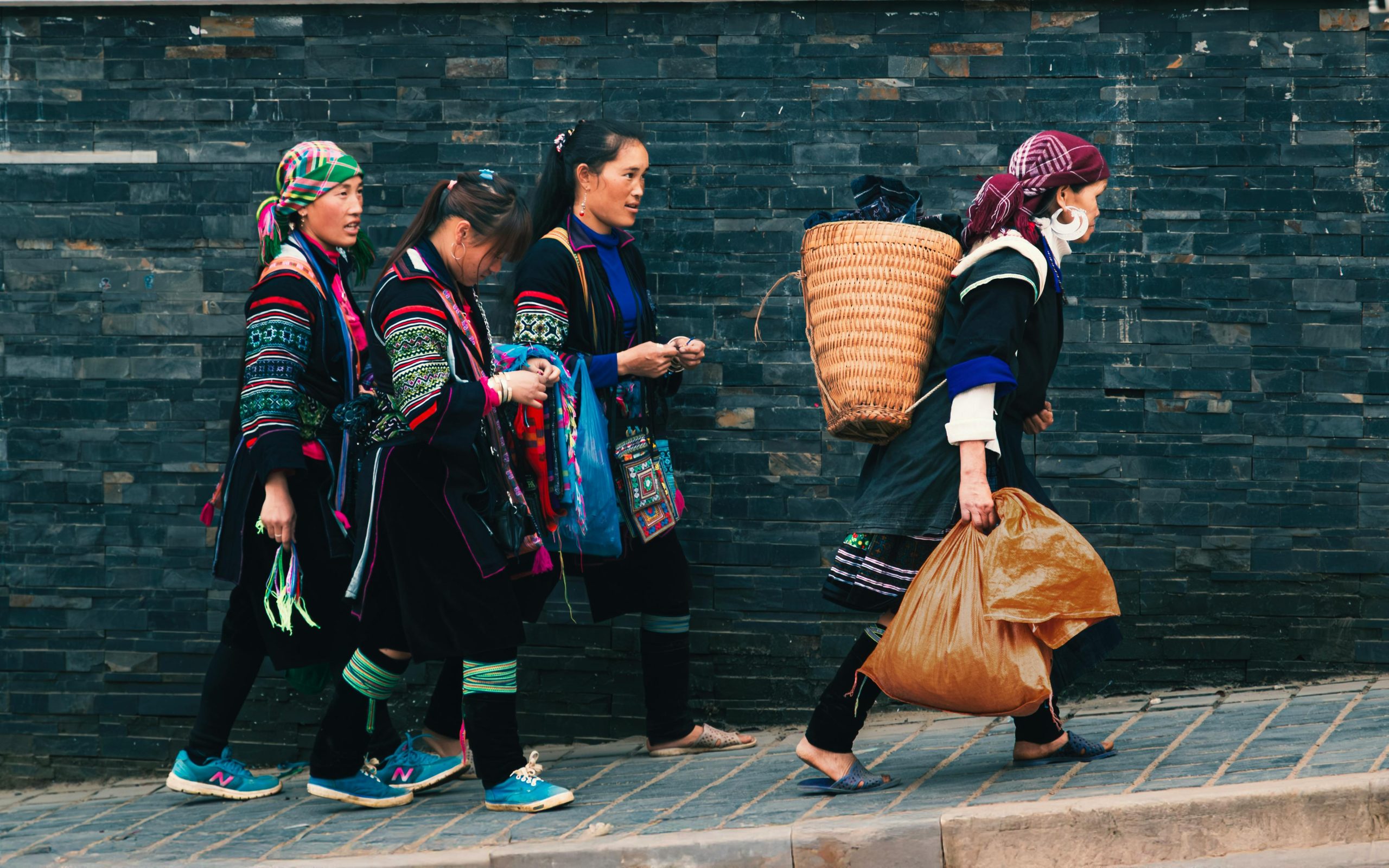
The markets in Sapa, especially the weekend markets, are a kaleidoscope of colors and sounds, where you can see these traditions come alive. From intricate textiles to silver jewelry, every item tells a story. Remember to bargain politely and respectfully.
When to Visit Muong Hoa Valley
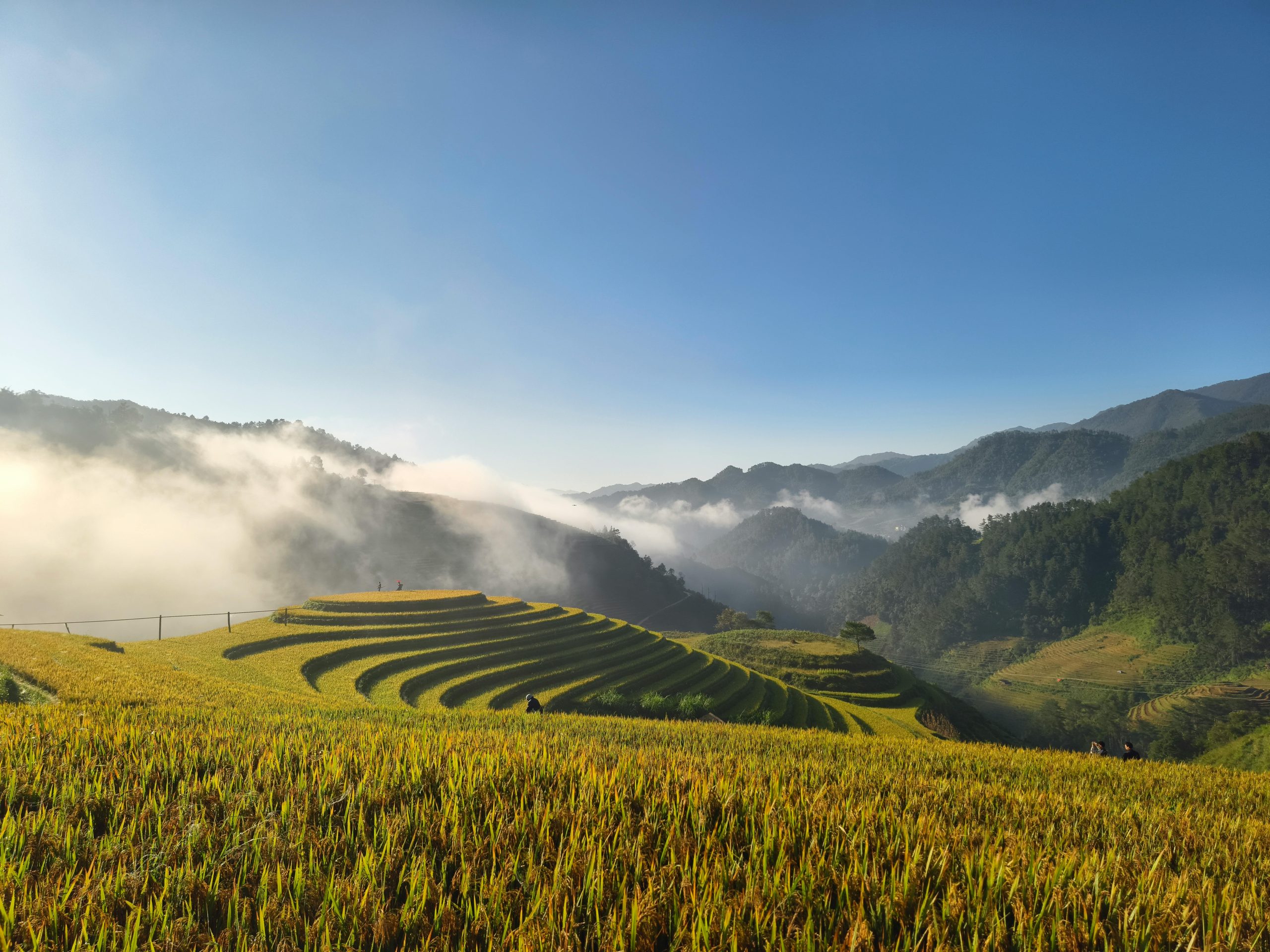
Choosing the right time can significantly enhance your experience. The best time to visit Muong Hoa Valley is during the planting season (May to June) when the terraces are filled with water and reflect the sky, or the harvest season (September to October) when they turn a magnificent golden yellow. During these months, the weather is generally pleasant, and the landscapes are at their most vibrant. Winter (December to February) can be very cold and foggy, though it offers a mystical, ethereal beauty for some.
Essential Tips for Your Adventure:
- Pack Layers: Weather in the mountains can change rapidly.
- Sturdy Footwear: Essential for trekking on sometimes slippery or uneven trails.
- Rain Gear: A lightweight waterproof jacket is always a good idea, especially during rainy season.
- Cash: Many small villages and homestays only accept cash.
- Respect Local Culture: Ask before taking photos, dress modestly when visiting villages.
- Book Homestays in Advance: Especially during peak season, good homestays fill up quickly.
- Go with a Local Guide: They offer invaluable insights and support local communities.
Muong Hoa Valley offers a journey not just through stunning landscapes, but into the heart of Vietnamese culture. It’s a place where memories are made, and your understanding of the world will undoubtedly deepen. So, pack your bags, lace up your boots, and prepare to be utterly enchanted!