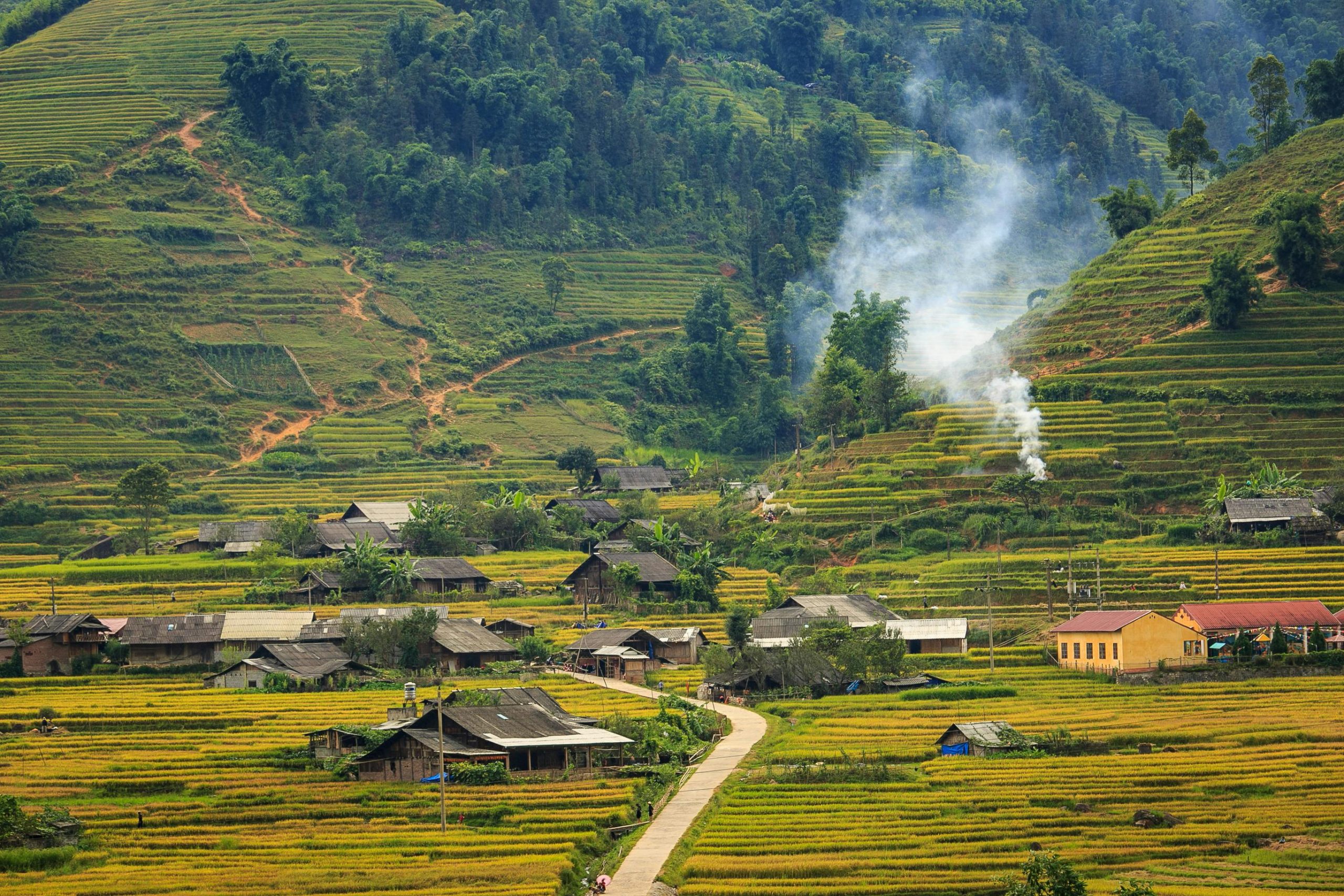
Hello fellow adventurers! If you’re anything like me, you’ve probably dreamt of escaping the bustling city life for something truly spectacular. Well, let me tell you, your dreams are about to come true in a place called Sapa, Vietnam. Nestled high in the Hoàng Liên Sơn mountains, this enchanting town is a symphony of misty peaks, cascading rice terraces, and a vibrant tapestry of ethnic cultures. Trust me, Sapa isn’t just a destination; it’s an experience that will stay with you long after you’ve left its winding paths.
Why Sapa Should Be Your Next Adventure
Sapa offers a unique blend of natural grandeur and profound cultural immersion. It’s a place where you can challenge yourself with a trek up Indochina’s highest peak, lose yourself in the endless beauty of emerald green (or golden, depending on the season!) rice paddies, and connect with the incredibly resilient and welcoming local communities. We came here seeking beauty, and what we found was so much more – a soul-stirring journey into the heart of Vietnam’s northern highlands.
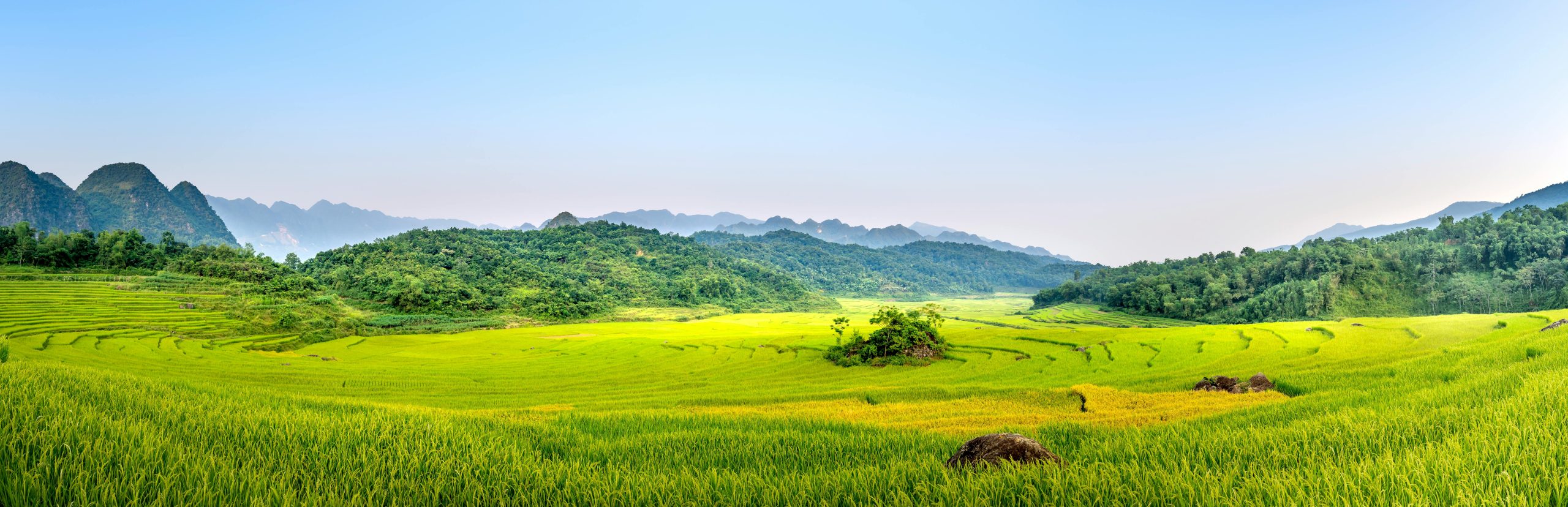
The Majestic Terraced Rice Fields
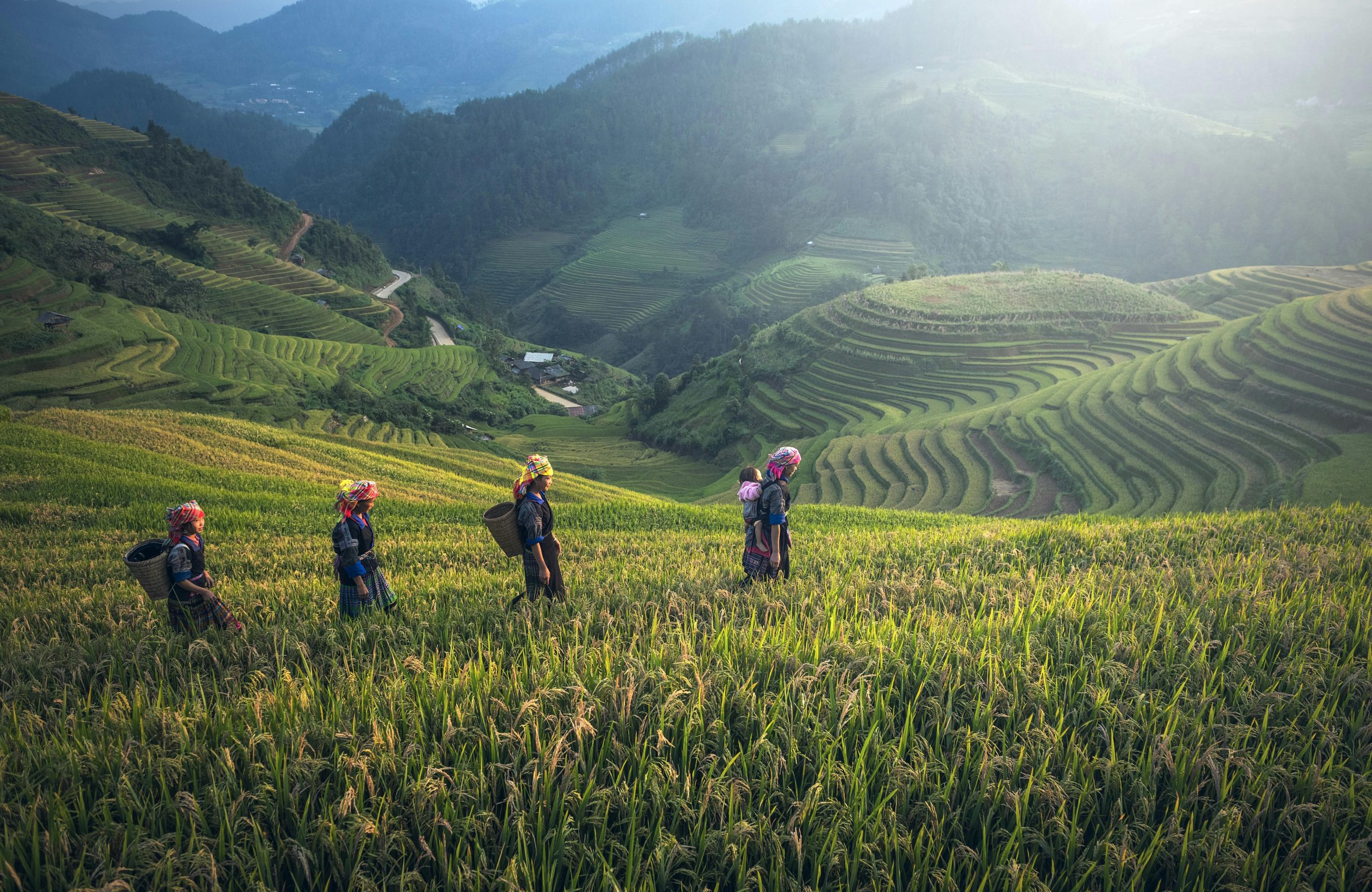
This is arguably Sapa’s most iconic image. Imagine rice paddies carved painstakingly into mountainsides, forming giant staircases that glow with every shade of green and gold. The sheer scale and artistry of these terraces, cultivated for centuries by local ethnic groups, are simply awe-inspiring. I remember standing there, taking it all in, feeling utterly insignificant yet completely connected to something ancient and profound.
Conquering the “Roof of Indochina” – Fansipan
For the intrepid souls out there, Mount Fansipan calls. Standing at 3,143 meters (10,312 feet), it’s the highest peak in Indochina. While a multi-day trek used to be the only way, today, you can enjoy a scenic cable car ride that whisks you through the clouds, offering panoramic views that are nothing short of spectacular. Even if you don’t fancy the full trek, reaching the summit by cable car is an achievement in itself, providing a vista you won’t soon forget.
Immerse Yourself in Vibrant Ethnic Cultures
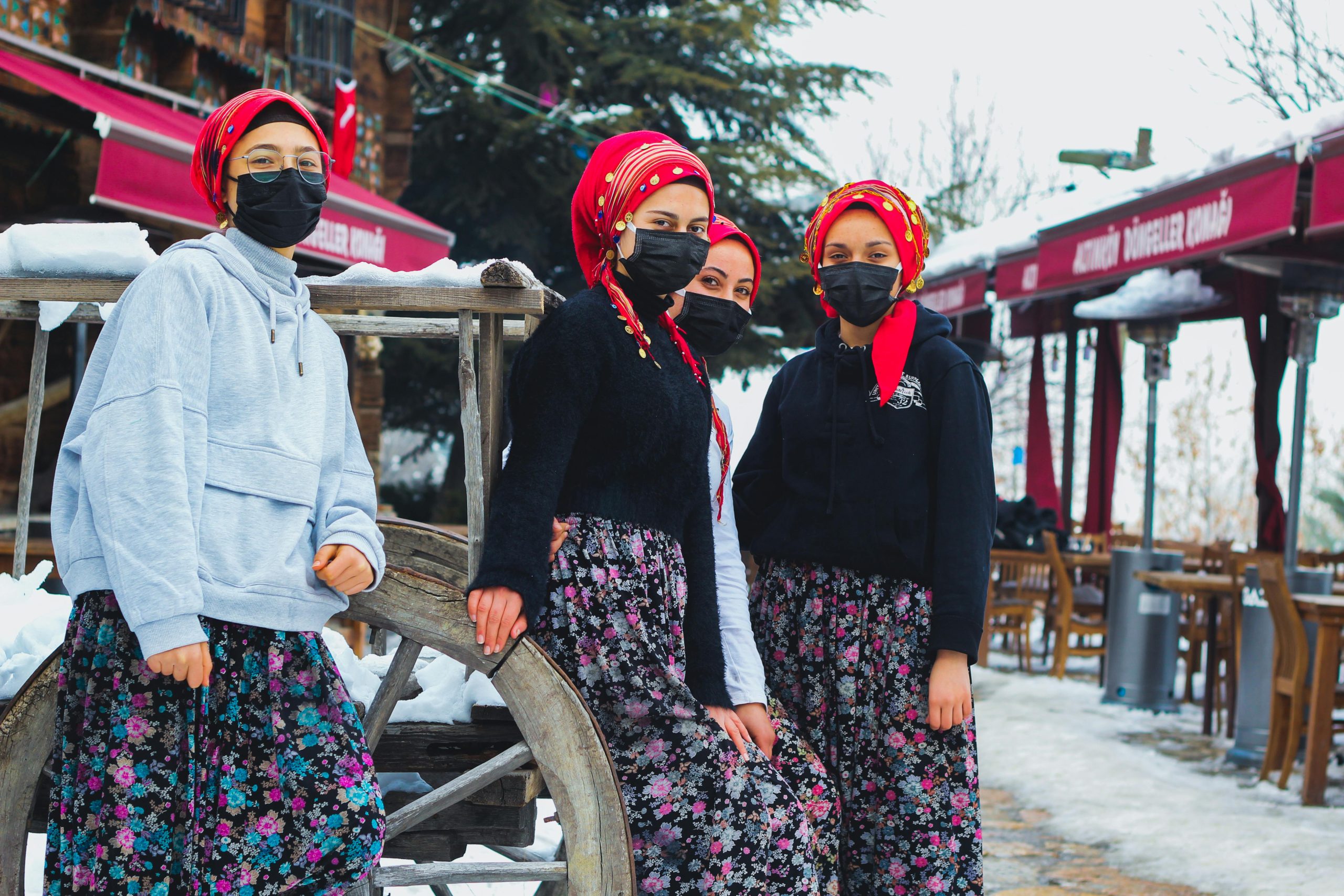
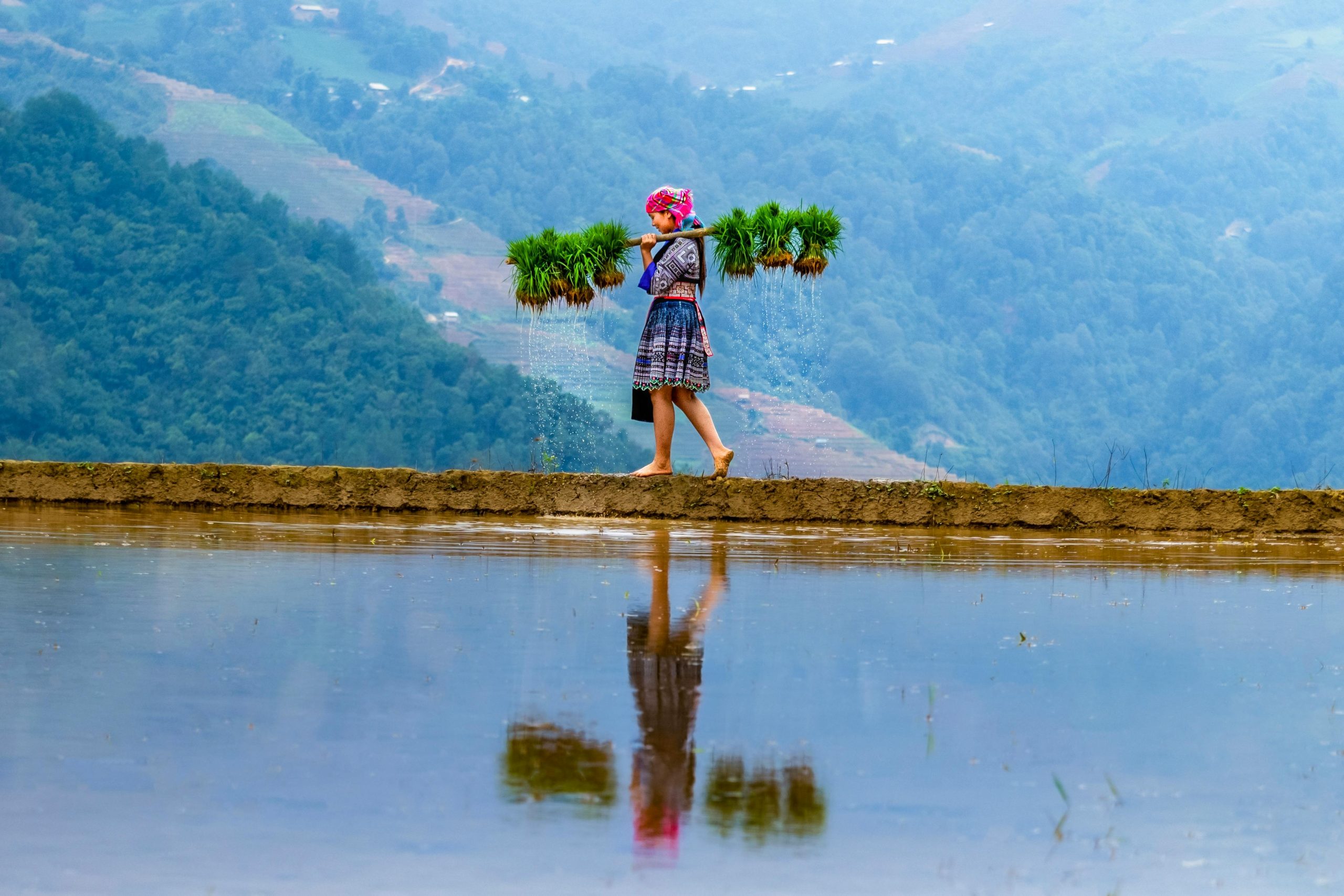
Sapa is home to a diverse array of ethnic minority groups, including the Hmong, Dao, Tay, Giay, and Xa Pho. Their traditional ways of life, colorful clothing, and unique customs are an integral part of the Sapa experience. We highly recommend visiting local villages like Cat Cat, Ta Van, or Lao Chai. Consider a homestay; it’s an incredible opportunity to learn about their daily lives, share meals, and witness their intricate craftsmanship firsthand. You’ll come away with a deeper appreciation for their heritage.
“Travel is fatal to prejudice, bigotry, and narrow-mindedness, and many of our people need it sorely on these accounts. Broad, wholesome, charitable views of men and things cannot be acquired by vegetating in one little corner of the earth all one’s lifetime.” – Mark Twain. Sapa truly embodies this spirit, opening your eyes to new perspectives.
Explore Sapa Town and Beyond
Sapa town itself, while touristy, still holds a charming allure. Wander through the bustling Sapa Market, where locals trade goods and handicrafts. Admire the stone church, a remnant of French colonial architecture. Don’t miss the nearby Silver Waterfall (Thac Bac) and Love Waterfall, offering picturesque natural beauty.
A Taste of the Mountains: Sapa Cuisine
Your Sapa journey wouldn’t be complete without indulging in its local cuisine. Here are a few must-try dishes:
- Thang Co: A traditional Hmong hotpot, not for the faint of heart, but an authentic experience.
- Cap Nach Pork: Locally raised pork, often grilled to perfection, incredibly tender and flavorful.
- Salmon Hotpot: Surprisingly, Sapa’s cool climate is perfect for salmon farming, making this a fresh and delicious option.
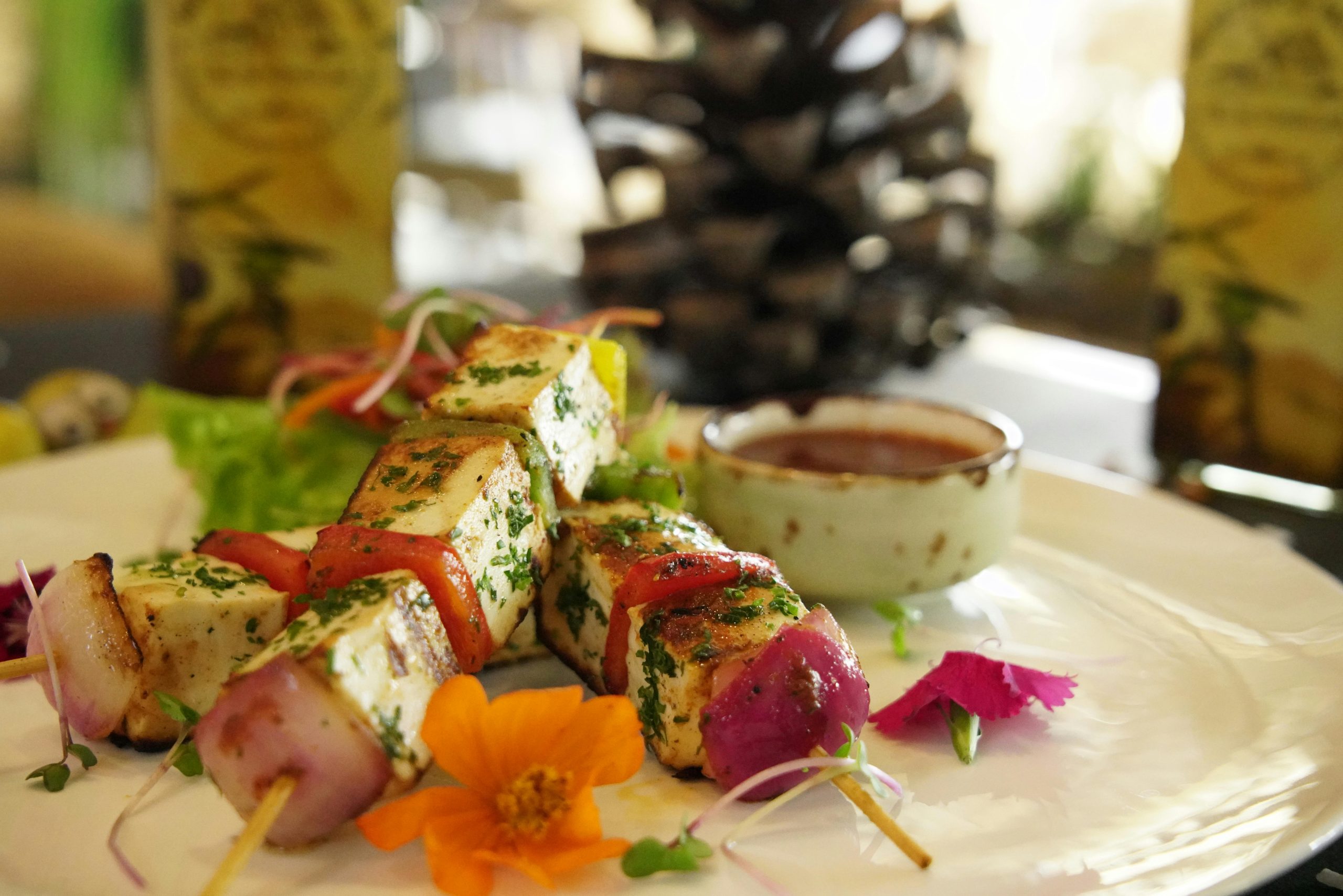
- Local Grilled Skewers: Found in abundance, from corn to sweet potatoes to various meats. Perfect for a chilly evening.
- Bamboo Sticky Rice (Com Lam): Fragrant sticky rice cooked inside bamboo tubes, a delightful snack.
When to Visit Sapa: A Seasonal Guide
Choosing the right time to visit can significantly enhance your Sapa experience. Here’s a quick overview:
| Season | Months | Highlights | Things to Consider |
|---|---|---|---|
| Spring | March – May | Pleasant weather, blooming flowers, lush green rice paddies starting to grow. Clear skies for Fansipan. | Can still be chilly, especially mornings/evenings. |
| Summer | June – August | Peak green season for rice paddies. Water buffalo in fields. | Heavy rains are common, leading to muddy trails and occasional fog. |
| Autumn | September – November | Golden rice harvest season! Cooler, dry weather. Ideal for trekking and photography. | Can be crowded, especially early September. |
| Winter | December – February | Very cold, sometimes snow. Mystical foggy landscapes. Quiet. | Visibility can be low. Some trails may be challenging due to cold/ice. Pack warm! |
For me, Autumn (September to November) truly steals the show with its golden terraces, but Spring (March to May) is also fantastic for trekking and clear views.
Getting to Sapa
Most travelers arrive in Sapa from Hanoi. The most popular options are:
- Overnight Train: A comfortable and atmospheric journey to Lao Cai, followed by a 1-hour bus or taxi ride to Sapa.
- Sleeper Bus: Direct and often faster than the train, though less spacious.
- Private Car: The most convenient but also the most expensive option.
Whichever you choose, prepare for some stunning scenery on the way up!
Insider Tips for Your Sapa Adventure
- Pack Layers: Sapa’s weather can change dramatically throughout the day.
- Good Walking Shoes: Essential for trekking; trails can be muddy and uneven.
- Sun Protection: Even on cloudy days, the mountain sun can be strong.
- Cash is King: Especially in smaller villages and local markets.
- Bargain Respectfully: If buying souvenirs, do so with a smile.
- Hire a Local Guide: For treks, it enhances the experience and supports local communities.
- Be Mindful of Photography: Always ask for permission before taking photos of people, especially children.
- Leave No Trace: Help keep Sapa beautiful by disposing of your trash responsibly.
Sapa is a destination that will challenge you, inspire you, and ultimately reward you with memories that last a lifetime. It’s a place where the grandeur of nature meets the warmth of human spirit. So, pack your bags, lace up your boots, and prepare to be captivated by the magic of Vietnam’s northern highlands. I promise, you won’t regret it!