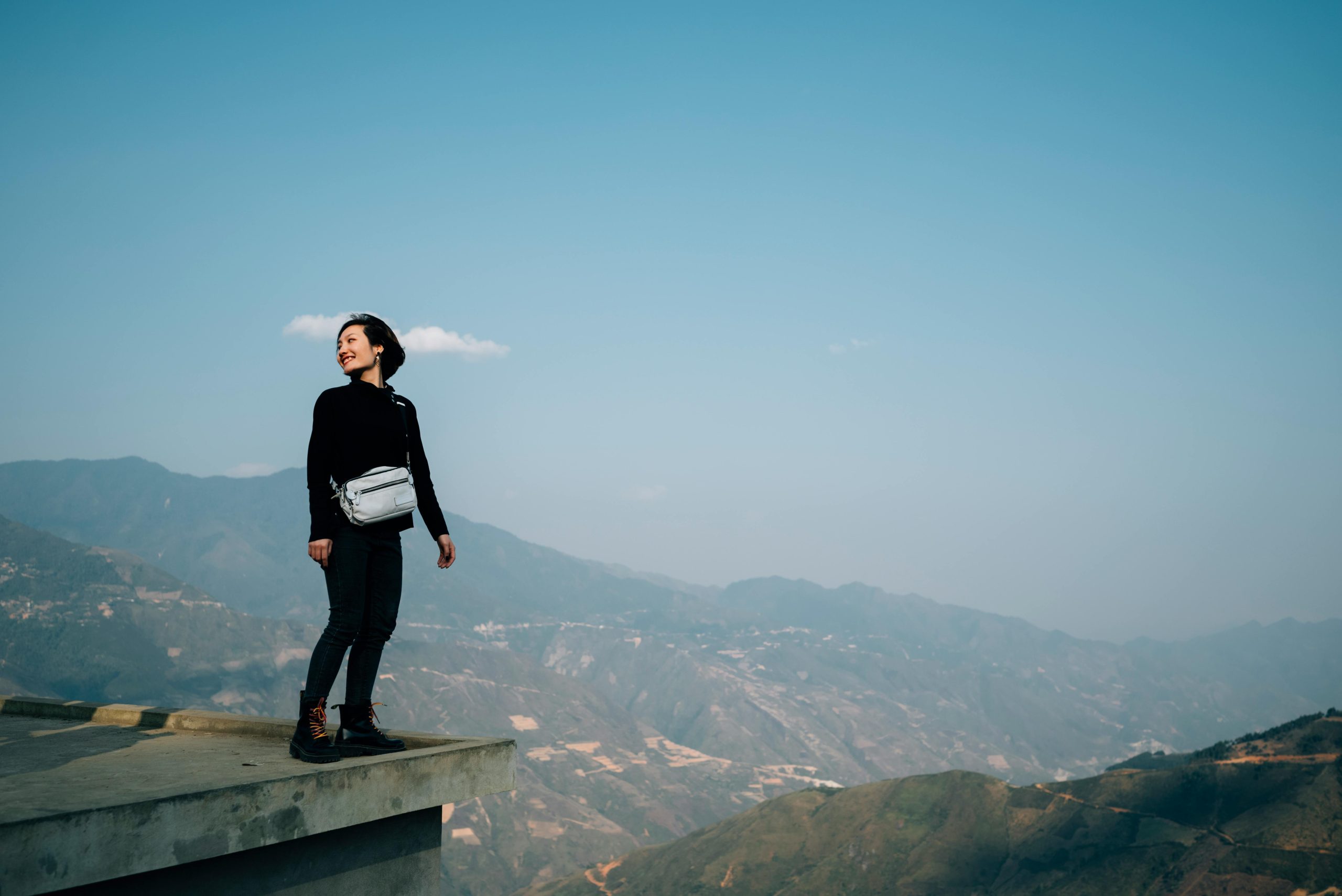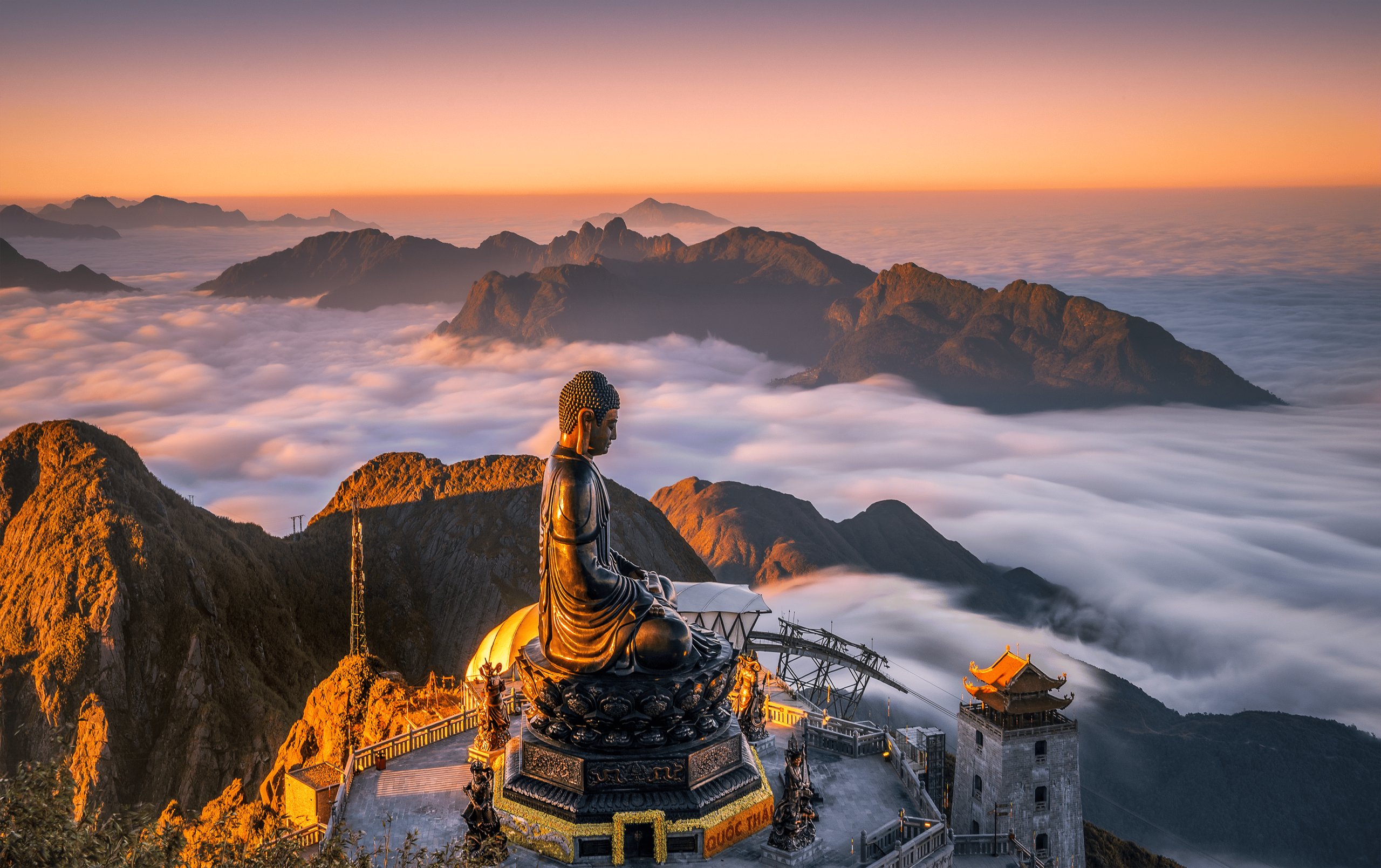
Have you ever dreamt of standing on top of the world? Or at least, on top of an entire region? Well, in Vietnam, that dream becomes a breathtaking reality at Fansipan Peak. Often hailed as the “Roof of Indochina,” this majestic mountain towers at an impressive 3,143 meters (10,312 feet) above sea level, offering unparalleled views and an unforgettable adventure. As a travel blogger, I’ve had the privilege of experiencing many incredible landscapes, but Fansipan truly holds a special place in my heart.
Conquering the Roof: Your Journey to the Summit
Getting to Fansipan is an adventure in itself, and you essentially have two main options: the exhilarating cable car ride or the challenging but rewarding trek. Each offers a completely different experience, catering to various levels of fitness and adventure appetite. I’ve seen many travelers debate this, so let’s break it down:
| Feature | Cable Car Journey | Trekking Expedition |
|---|---|---|
| Effort Level | Easy, suitable for all ages | Challenging, requires good physical fitness |
| Time Commitment | ~15-20 minutes one-way (plus funiculars) | 1-3 days depending on route and pace |
| Views | Panoramic aerial views of valleys and clouds | Intimate experience of lush forests, waterfalls, and local villages |
| Cost | Higher initial cost for ticket | Lower if DIY, higher with guided tours/porters |
| Experience | Quick, comfortable, awe-inspiring | Adventurous, immersive, physically demanding |
The Sky-High Ride: Fansipan Cable Car
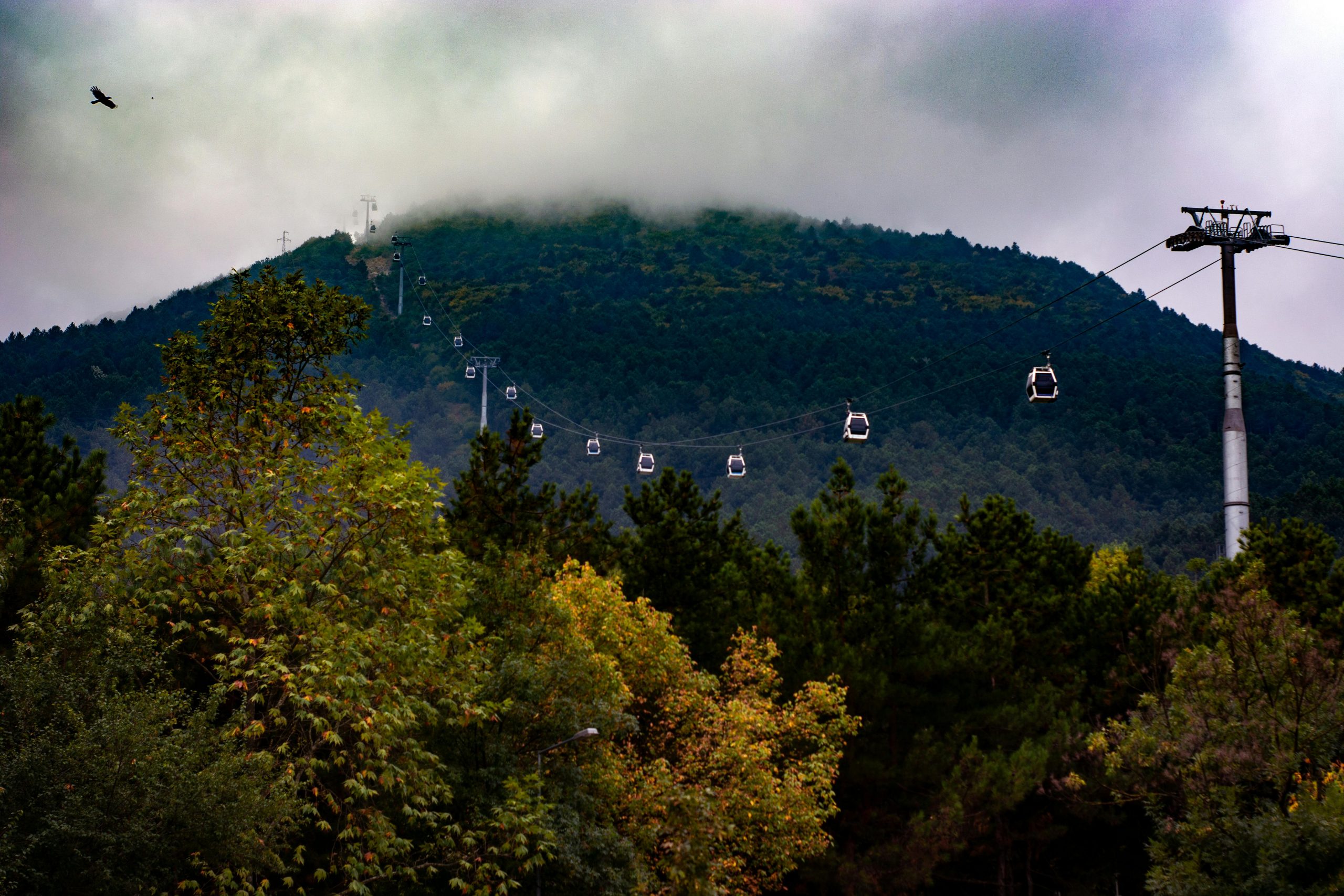
For most visitors, the Fansipan cable car is the preferred way to reach the summit. And let me tell you, it’s not just a ride; it’s an experience! Holding a Guinness World Record for the longest non-stop three-rope cable car, it whisks you above the clouds, offering truly spectacular vistas of the Hoàng Liên Son mountain range. As you ascend, the landscape transforms beneath you, from lush green valleys to a mesmerizing sea of clouds. It’s absolutely magical!
Once you exit the cable car station, you’ll find yourself at a complex with restaurants and shops. From here, you have the option to take two more funicular rides – one to the spiritual complex below the actual peak, and another (if available and you choose not to walk) to the very top. I highly recommend taking the funiculars to save your energy for exploring the spiritual complex and the final climb.
The Ultimate Trek: For the True Adventurers
If you’re a seasoned trekker looking for a true challenge, then hiking Fansipan is an epic endeavor. Typically, it’s a 2-3 day journey, often starting from villages like Sín Chải or Cát Cát. You’ll navigate through dense forests, cross streams, and climb steep paths, often with the help of local Hmong guides. The feeling of accomplishment when you finally reach the summit after days of hard work is unparalleled.
“The mountains are calling and I must go.” – John Muir. For Fansipan trekkers, this quote resonates deeply with every step.
At the Summit: A Spiritual and Scenic Wonderland
Reaching the summit complex of Fansipan is an experience that combines natural grandeur with profound spirituality. While the peak itself offers a modest 3,143-meter marker for your obligatory photo, the surrounding area is adorned with a stunning array of Buddhist pagodas, statues, and temples. It’s often shrouded in mist, giving it an ethereal, otherworldly feel.
Key Highlights at the Top:
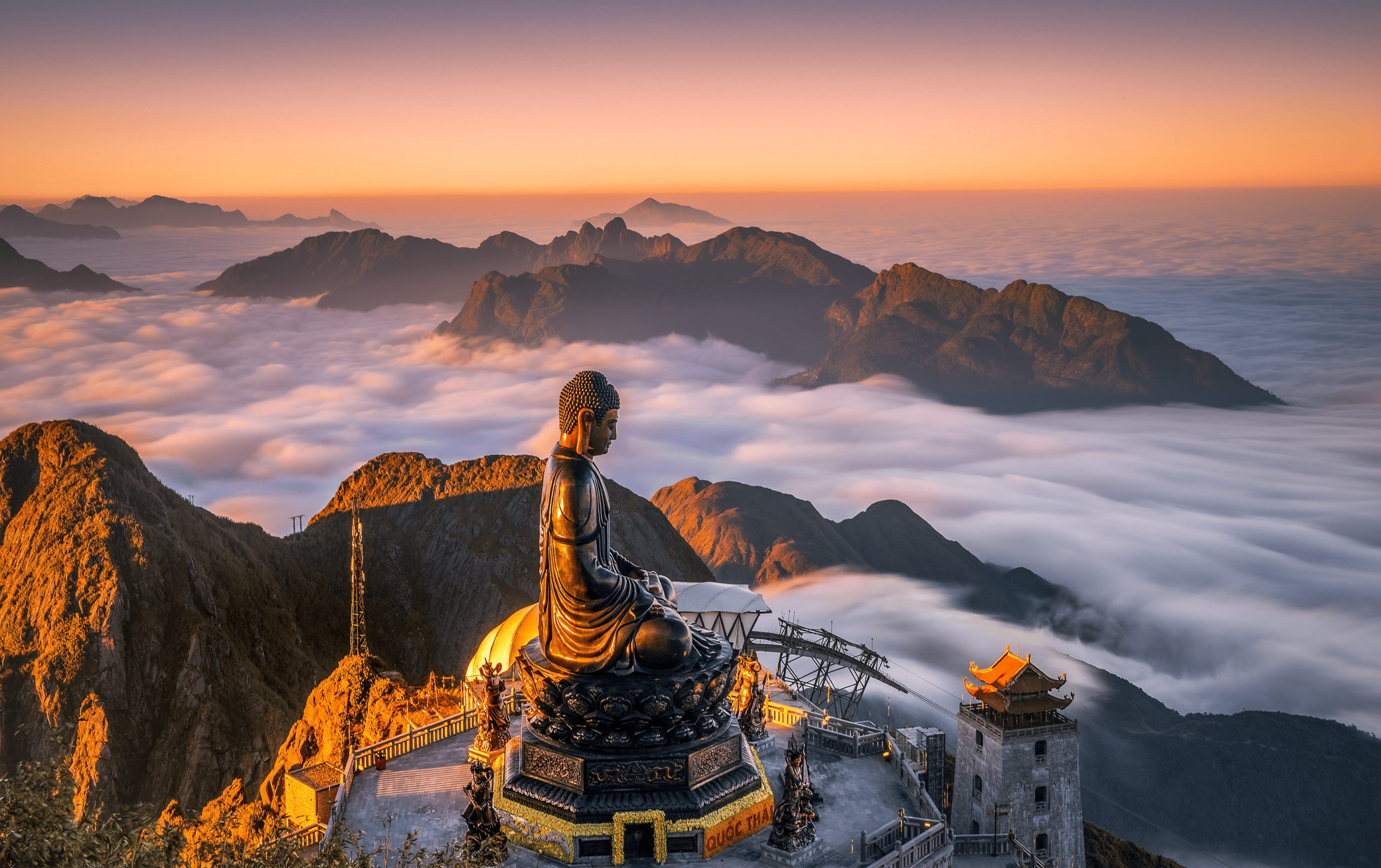
- The Great Buddha Statue: A colossal bronze statue, often peeking out majestically from the clouds. It’s a powerful sight that inspires awe and serenity.
- Kim Son Bao Thang Pagoda: An intricately designed pagoda complex that truly feels like it belongs in the heavens. Spend some time wandering through its serene courtyards.
- A La Hán Path (Arhat Path): A path lined with 18 bronze Arhat statues, each depicting a different disciple of Buddha, adding to the spiritual ambiance.
- Panoramic Views: On a clear day, the views are simply out of this world. You can see endless mountain ranges, deep valleys, and even glimpses of Sapa town in the distance. The sea of clouds phenomena is particularly spectacular.
Essential Tips for Your Fansipan Adventure
To make your trip as smooth and enjoyable as possible, I’ve gathered some insider tips that I’ve learned from my own travels and from chatting with fellow adventurers:
- Dress in Layers: The weather on Fansipan can change dramatically within minutes. It can be significantly colder at the summit than in Sapa town, even in summer. Bring warm layers, a waterproof jacket, and a hat.
- Stay Hydrated: Even if you’re taking the cable car, you’ll be at high altitude and doing some walking. Bring water!
- Wear Comfortable Shoes: There are stairs and pathways to navigate at the summit complex, so sturdy, comfortable shoes are a must.
- Book in Advance: Especially during peak season or holidays, consider booking your cable car tickets online to avoid long queues.
- Go Early: Try to get an early start to beat the crowds and increase your chances of clear views before the afternoon clouds roll in.
- Bring Snacks: While there are restaurants at the summit complex, having some energy bars or snacks is always a good idea.
- Acclimatize in Sapa: If you’re prone to altitude sickness, spending a day or two in Sapa (around 1,600m) before ascending Fansipan can help your body adjust.
Whether you choose to soar above the clouds on the cable car or earn your bragging rights through a challenging trek, Fansipan Peak promises an unforgettable experience. It’s a place where nature’s grandeur meets spiritual tranquility, leaving you with memories that will last a lifetime. So, pack your bags, prepare for an adventure, and get ready to stand on the Roof of Indochina!