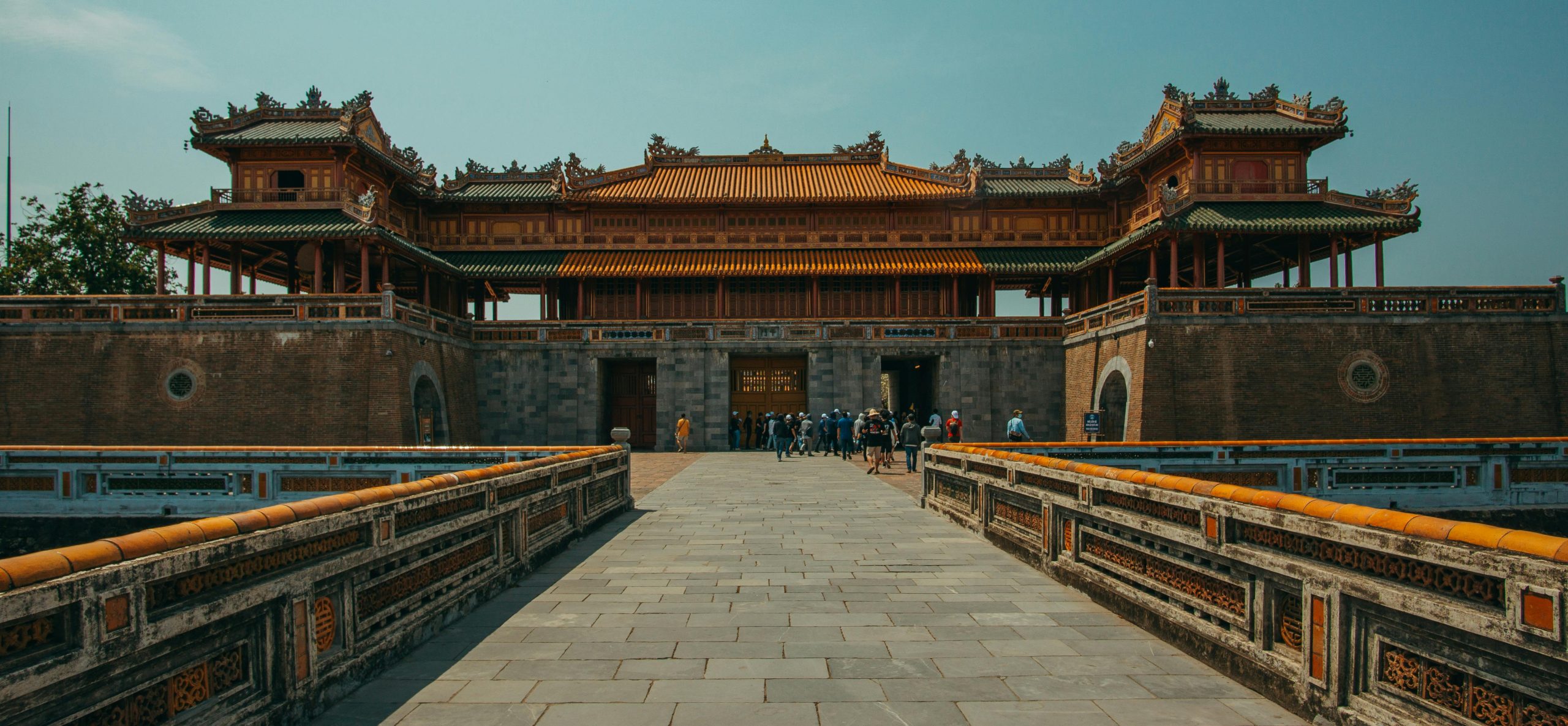
Xin chào, fellow adventurers! If you’re anything like me, you love diving deep into the history and culture of a new destination. And let me tell you, when it comes to Vietnam, there’s no place quite like Hue’s Imperial City, also known as the Citadel, to transport you straight into a bygone era of emperors and concubines.
Unveiling the Royal Grandeur: A Journey Through Hue’s Imperial City
Nestled beside the tranquil Perfume River, the Imperial City of Hue stands as a majestic testament to Vietnam’s last imperial dynasty, the Nguyễn Dynasty. A UNESCO World Heritage site, this vast complex is far more than just a collection of old buildings; it’s a sprawling fortress encompassing palaces, temples, royal residences, and the Forbidden Purple City – a city within a city, once reserved exclusively for the emperor and his closest family.
My first impression as I approached the massive stone walls and the intricate Ngo Mon Gate (Meridian Gate) was one of awe. The sheer scale and intricate detail of the architecture immediately captivated me. You can feel the weight of history in every brick and carved dragon.
Step Inside the Citadel: What Awaits You
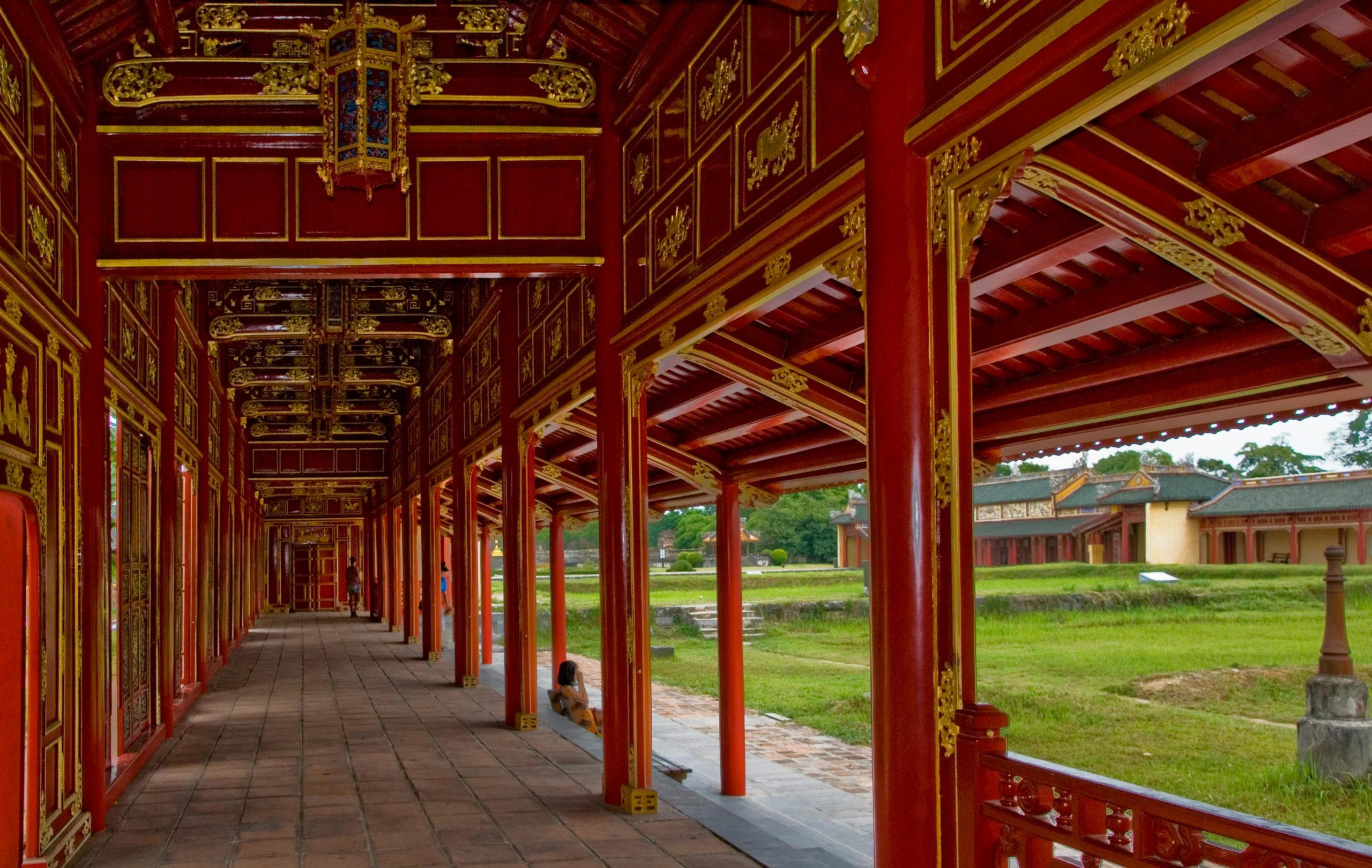
Once you pass through the monumental gates, you enter the main complex. The Imperial City is laid out with precision, following traditional geomantic principles. While much of it suffered damage during wars, extensive restoration efforts have brought many structures back to their former glory, allowing us to glimpse the splendor of imperial Vietnam.
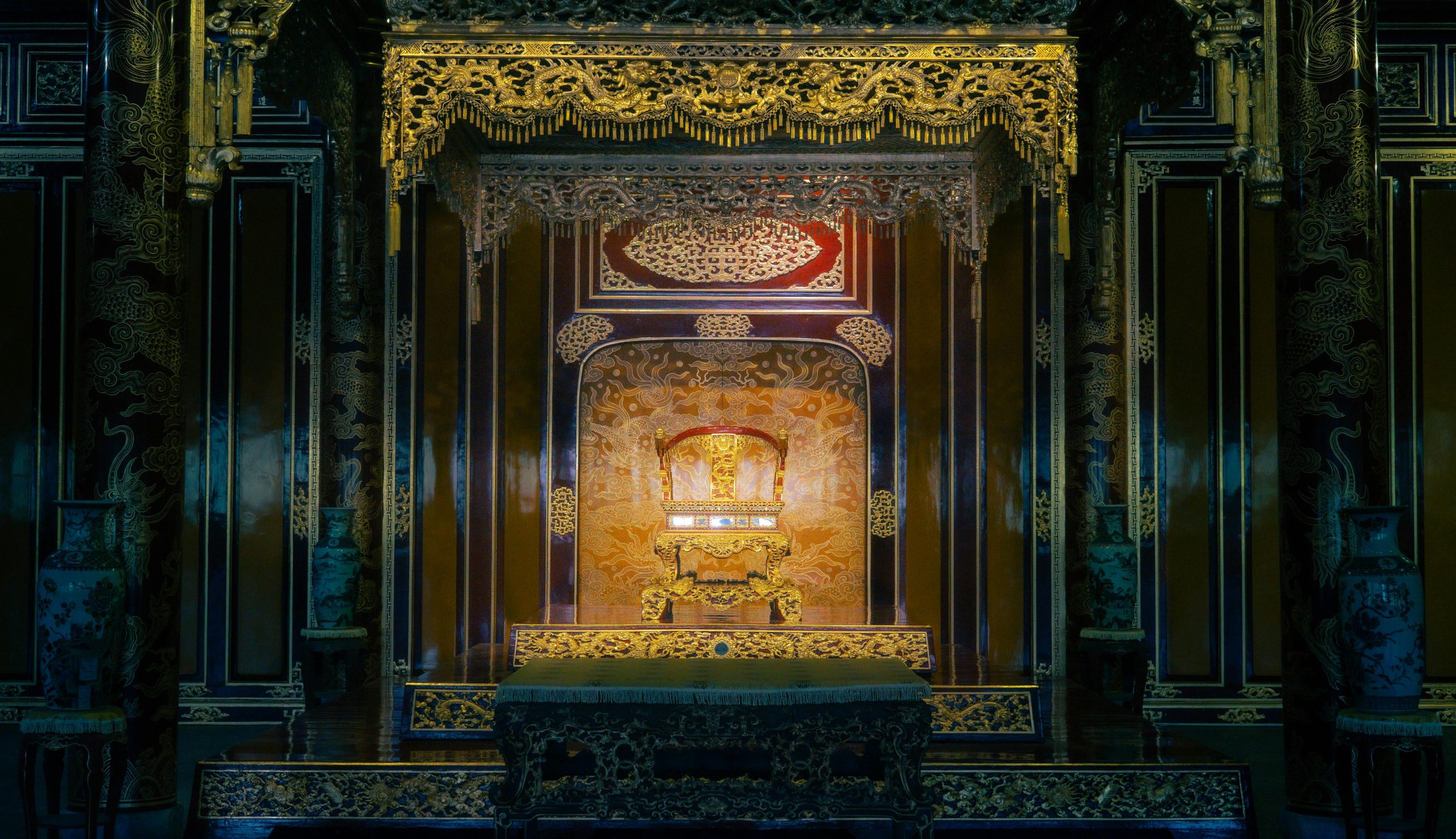
- Thai Hoa Palace: This grand hall, with its gleaming golden roof and intricate carvings, was where the emperors held their most important court ceremonies. Imagine the elaborate rituals and significant decisions made within these very walls!
- The Forbidden Purple City: Though much of this inner sanctum lies in ruins, the foundations and remaining structures offer a poignant insight into the private lives of the imperial family. It’s a humbling experience to walk through what was once the most exclusive area in the entire empire.
- Temples and Pavilions: Don’t miss the Mieu Temple, dedicated to the Nguyễn emperors, and the Hien Lam Pavilion, which honors their great achievements. The details in the carvings and the peaceful ambiance of these sites are truly remarkable.
I found myself spending hours just wandering, soaking in the atmosphere, and trying to visualize the bustling life that once filled these courtyards. It’s a place that truly encourages contemplation and a deep appreciation for Vietnamese heritage.
Experiencing the Past in the Present
To truly enhance your visit, I highly recommend hiring a local guide or joining a guided tour. Their stories and insights bring the history to life in a way that simply reading plaques can’t. You’ll learn about the symbols, the legends, and the human drama that unfolded within these walls.
“The Imperial City is not just a collection of buildings; it’s a living narrative of Vietnam’s imperial past, beautifully preserved and waiting to be explored.”
So, if you’re planning a trip to Vietnam and have a passion for history, culture, and breathtaking architecture, make sure Hue’s Imperial City is at the very top of your itinerary. You won’t regret immersing yourself in this magnificent slice of royal grandeur!