Ba Dinh District: Unveiling Hanoi’s Historic Soul
Welcome, fellow adventurers! If you’re planning a trip to Hanoi, Vietnam, then a deep dive into the Ba Dinh District is absolutely non-negotiable. This isn’t just another part of the city; it’s where Vietnam’s vibrant past and hopeful future converge, offering an unparalleled glimpse into the nation’s heart. Trust me, you’ll feel the history humming in the air here.
When I first stepped into Ba Dinh, I was immediately struck by its serene yet profound atmosphere. Unlike the bustling Old Quarter, Ba Dinh offers expansive green spaces, grand boulevards, and a collection of some of Vietnam’s most significant historical and cultural landmarks. It’s a place that demands respect and offers a deeply enriching experience in return.
The Revered Heart: Ho Chi Minh Mausoleum and Ba Dinh Square
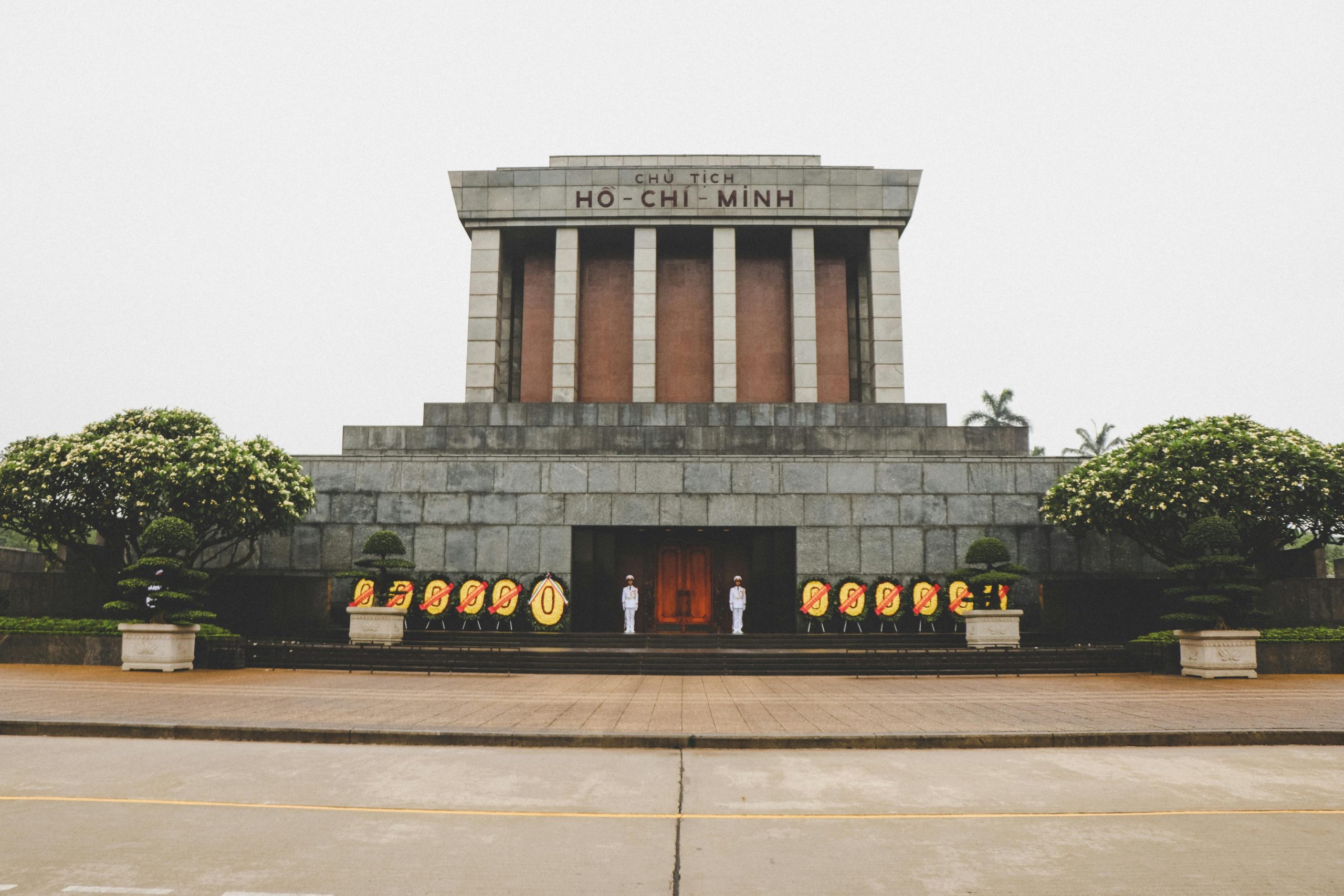
Your journey through Ba Dinh will undoubtedly begin at the Ho Chi Minh Mausoleum, the final resting place of Vietnam’s beloved revolutionary leader, Ho Chi Minh. Standing in front of this colossal structure, you can’t help but feel a sense of solemn awe. The Mausoleum is more than just a tomb; it’s a symbol of national unity and independence.
The Mausoleum itself is imposing, built with grey granite, and stands proudly in the vast Ba Dinh Square. This square is not just any open space; it’s where Ho Chi Minh read the Declaration of Independence, establishing the Democratic Republic of Vietnam in 1945. Imagine standing where such pivotal history unfolded!
Important Note: If you plan to visit the Mausoleum, remember to dress respectfully (shoulders and knees covered) and maintain silence. Photography inside is strictly forbidden. Check opening hours beforehand, as it closes for maintenance for a few months each year.
Architectural Gems: One Pillar Pagoda and Presidential Palace
Just a stone’s throw from the Mausoleum complex, you’ll discover two more iconic landmarks: the One Pillar Pagoda (Chùa Một Cột) and the Presidential Palace.
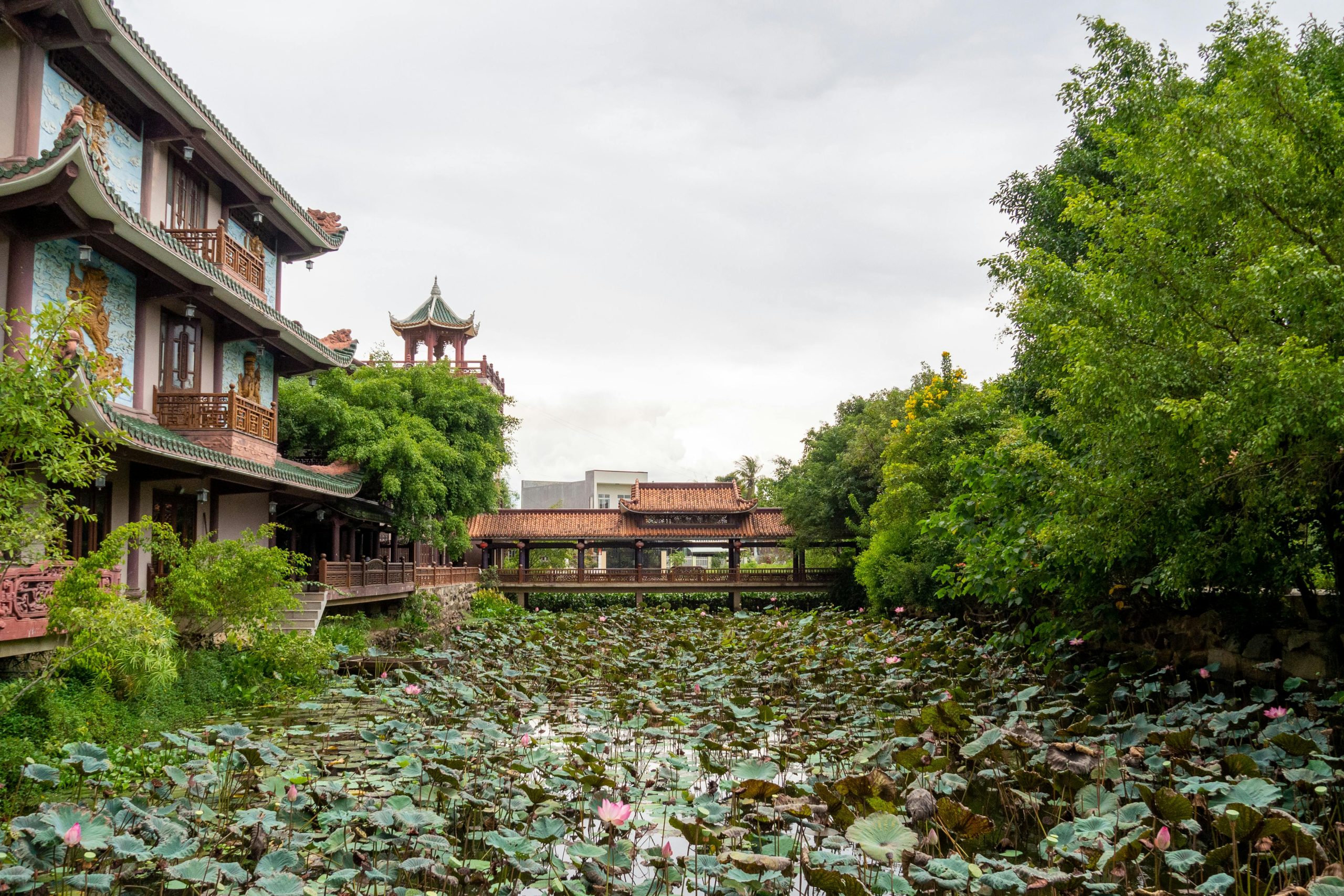
The One Pillar Pagoda is truly unique. This Buddhist temple, built in the 11th century, rests on a single stone pillar emerging from a lotus pond, designed to resemble a lotus flower blooming from the water. It’s small, yet incredibly graceful and symbolic. Legend has it that Emperor Ly Thai Tong built it after dreaming of the Goddess of Mercy sitting on a lotus flower, handing him a male child.
Next to it, you’ll find the elegant yellow colonial architecture of the Presidential Palace. While you can’t enter the palace itself, you can stroll through its beautiful grounds, admiring the French colonial design and the lush gardens. It’s also where you’ll find Ho Chi Minh’s Stilt House, a remarkably modest dwelling where he chose to live, preferring simplicity over the palace’s grandeur. It offers a poignant insight into his character.
A Scholar’s Haven: The Temple of Literature
A short walk or a quick taxi ride will take you to another Ba Dinh gem: the Temple of Literature (Văn Miếu – Quốc Tử Giám). This isn’t just a temple; it’s Vietnam’s first national university, established in 1070! It’s a serene complex of courtyards, pathways, and traditional Vietnamese architecture, dedicated to Confucius and the pursuit of knowledge.
As you wander through its five courtyards, you’ll encounter beautiful ponds, ancient trees, and stone steles mounted on the backs of giant stone tortoises, inscribed with the names of successful scholars from royal examinations. It’s a wonderful place to reflect on Vietnam’s rich scholarly tradition and capture some truly stunning photographs.
“Travel is more than the seeing of sights; it is a change that goes on, deep and permanent, in the ideas of living.” – Miriam Beard
I couldn’t agree more, and Ba Dinh District truly embodies this sentiment. It’s a place that changes your perspective.
Beyond the Major Landmarks: Exploring Ba Dinh
While the major sites are undeniable draws, Ba Dinh has more to offer. Consider visiting the Vietnam Military History Museum for a deeper understanding of the country’s past conflicts, or simply take a leisurely walk around Truc Bach Lake and West Lake, which border the district, for some tranquil moments.
Getting Around Ba Dinh
Getting around Ba Dinh is relatively easy. Many of the key attractions are within walking distance of each other. For longer distances, taxis, ride-hailing apps (like Grab), or traditional cyclo rides are readily available. I often prefer walking to soak in the atmosphere, but a cyclo offers a charming, slow-paced way to see the streets.
When to Visit Ba Dinh District?
Hanoi’s weather can be quite distinct across seasons. For the most comfortable experience, I recommend visiting during the cooler, drier months.
| Season | Months | Temperature | Notes |
|---|---|---|---|
| Autumn (Best!) | September – November | 20-28°C (68-82°F) | Cool, dry, and pleasant. Ideal for sightseeing. |
| Spring | March – April | 20-25°C (68-77°F) | Mild, but can be humid with light rain. |
| Winter | December – February | 15-20°C (59-68°F) | Cool, sometimes chilly, with occasional drizzle. |
| Summer | May – August | 30-35°C+ (86-95°F+) | Hot, humid, and rainy. Can be tiring for outdoor activities. |
Insider Tips for Your Ba Dinh Adventure
- Dress Modestly: Especially when visiting religious sites and the Ho Chi Minh Mausoleum.
- Arrive Early: Beat the crowds and the heat, particularly for the Mausoleum.
- Stay Hydrated: Even in cooler months, walking around can be tiring. Carry water.
- Learn Basic Phrases: A simple “Xin chào” (hello) and “Cảm ơn” (thank you) goes a long way.
- Respect Local Customs: Observe and follow local etiquette, especially in sacred areas.
In conclusion, Ba Dinh District isn’t just a collection of landmarks; it’s a living museum, a testament to Vietnam’s resilience and spirit. It offers a profound and memorable travel experience that goes beyond mere sightseeing. So, pack your bags, prepare to be inspired, and discover the historical heart of Hanoi!