Ha Giang Loop: Your Ultimate Guide to Vietnam’s Northern Frontier
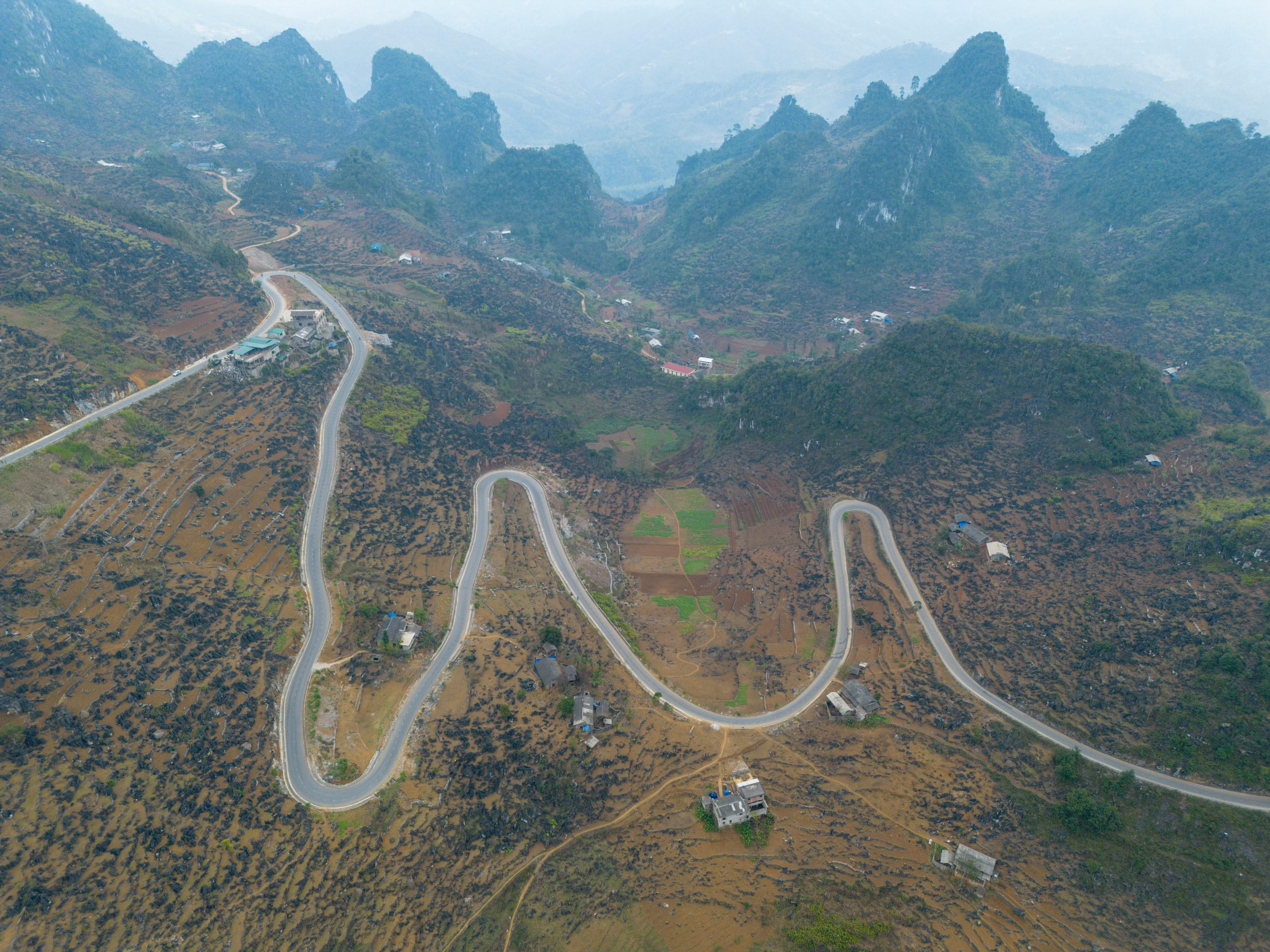
Hey fellow adventurers! If you’ve ever dreamed of truly escaping the beaten path and witnessing raw, untouched beauty, then let me tell you, the Ha Giang Loop is calling your name. This isn’t just a trip; it’s an odyssey, a vibrant tapestry of towering limestone karsts, winding mountain passes, and a rich cultural mosaic that will etch itself into your memory forever. As someone who’s ridden these roads, I can confidently say it’s one of the most exhilarating experiences Vietnam has to offer.
For too long, travelers have flocked to the same few spots, but Ha Giang offers something different – an authentic, breathtaking journey that feels both challenging and incredibly rewarding. Forget the crowded beaches; here, you’re greeted by the silent majesty of nature and the warm smiles of highland communities.
Why Ha Giang Should Be Your Next Adventure
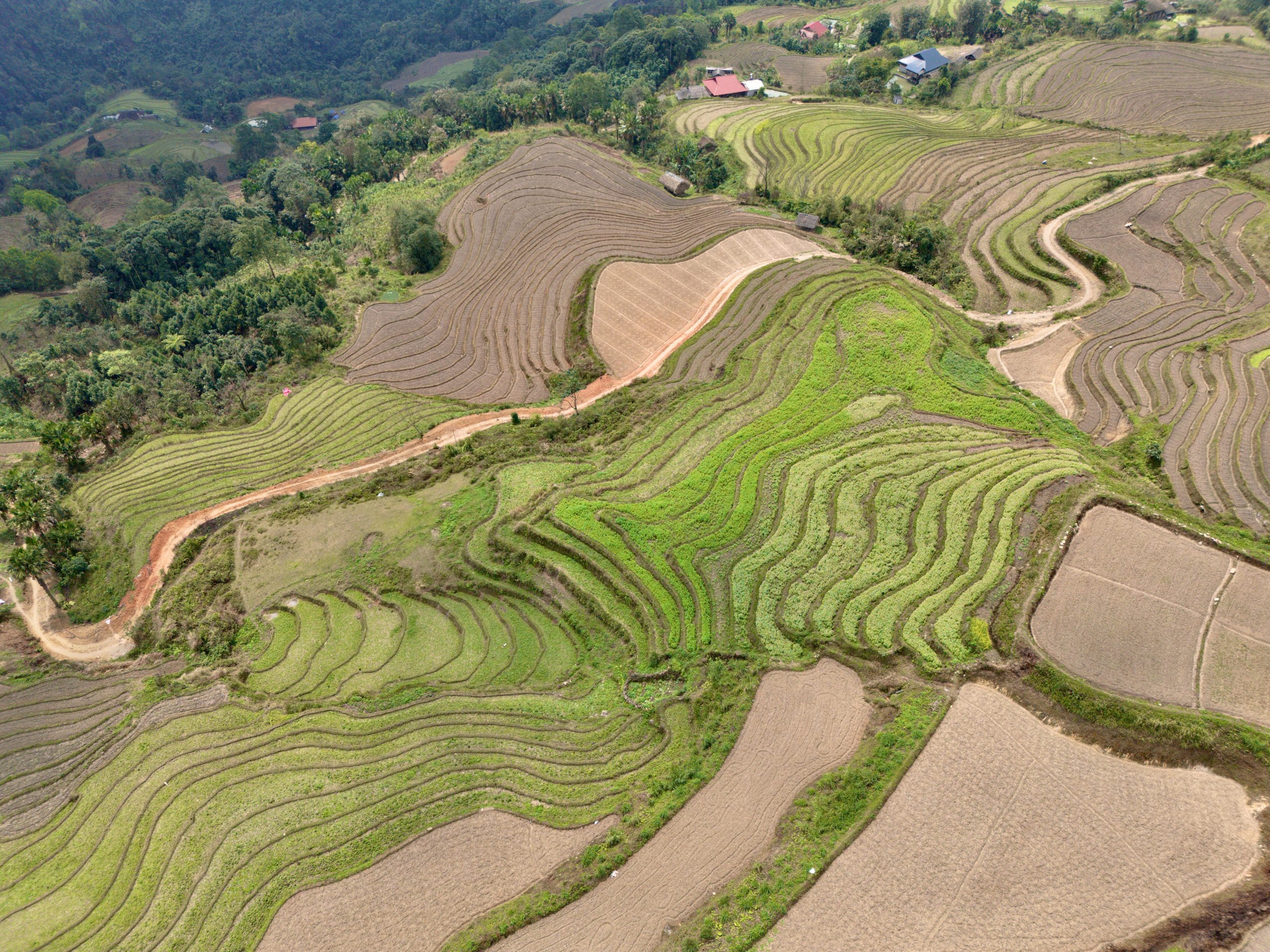
So, what makes the Ha Giang Loop so special? It’s a combination of adrenaline-pumping roads, stunning natural wonders, and a deep dive into the lives of Vietnam’s ethnic minorities. Imagine riding through clouds, overlooking canyons so vast they make you feel tiny, and sharing a meal with a local family in a remote village.
- Unforgettable Scenery: From the UNESCO Global Geopark of Dong Van Karst Plateau to the dizzying heights of Ma Pi Leng Pass, every turn is a postcard-worthy view.
- Cultural Immersion: Encounter diverse ethnic groups like the H’Mong, Dao, Tay, and Nung, whose traditions and way of life are beautifully preserved.
- Pure Adventure: Whether you’re riding your own bike, or going with an experienced easy-rider, the sense of accomplishment you feel after conquering the loop is immense.
Conquering the Legendary Ha Giang Loop
The Ha Giang Loop is typically a 3-5 day motorbike adventure, covering hundreds of kilometers through some of Vietnam’s most rugged terrain. While it sounds daunting, it’s manageable for most with a bit of riding experience, or even easier if you opt for an easy-rider (a local guide who drives you on their bike).
Route Highlights You Can’t Miss:
- Ha Giang City to Quan Ba: The journey begins with the famous Heaven’s Gate and the Fairy’s Bosom mountains.
- Quan Ba to Yen Minh: Continue through picturesque valleys and pine forests.
- Yen Minh to Dong Van: This stretch leads you deeper into the UNESCO Geopark, with increasingly dramatic landscapes. Don’t miss the H’Mong King’s Palace along the way.
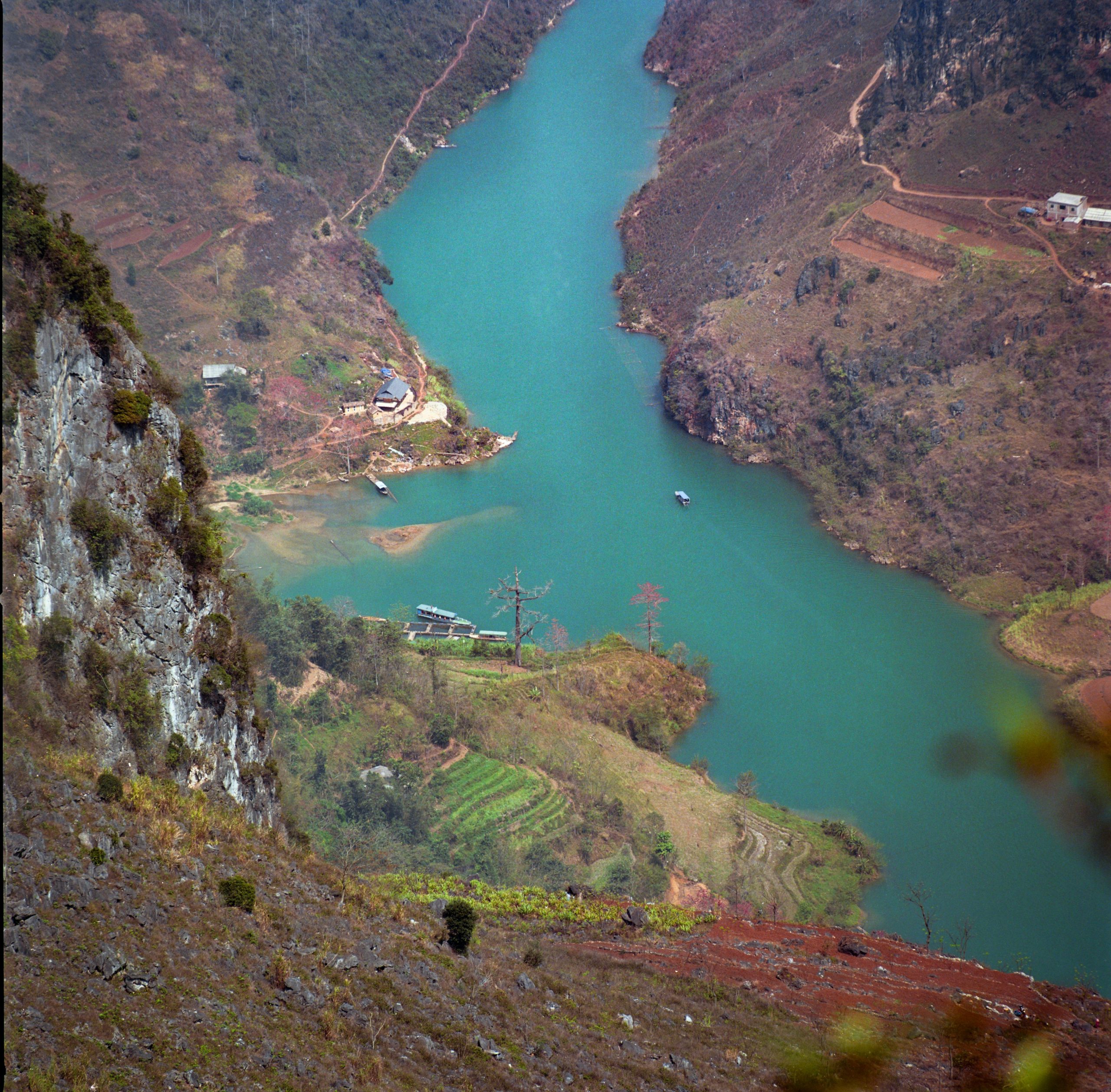
- Dong Van to Meo Vac (via Ma Pi Leng Pass): This is often considered the highlight – the “King of Passes.” The views over the Nho Que River canyon are simply spellbinding.
- Meo Vac back to Ha Giang City: Depending on your itinerary, you might take a different route back, perhaps via Du Gia, known for its stunning waterfalls and tranquil homestays.
Must-See Sights and Experiences
Beyond the ride itself, Ha Giang is packed with incredible places to explore:
- Dong Van Karst Plateau Geopark: A geological wonderland, this UNESCO site is home to ancient fossils and unique rock formations.
- Ma Pi Leng Pass: As mentioned, the views here are iconic. Consider a boat trip on the Nho Que River at the bottom of the canyon for a different perspective.
- Lung Cu Flagpole: Stand at the northernmost point of Vietnam. The climb to the top offers panoramic views and a strong sense of national pride.
- H’Mong King’s Palace (Dinh Vua Meo): An architectural marvel blending French, Chinese, and H’Mong styles, offering a glimpse into the region’s feudal past.
- Local Markets: Visit the Sunday markets in Dong Van or Meo Vac to witness the vibrant trade and cultural exchange among ethnic groups. It’s a sensory overload in the best way!
“Travel isn’t about the destination, it’s about the journey. And in Ha Giang, the journey IS the destination.”
Practicalities: Getting Around & Staying Safe
Riding the Ha Giang Loop requires careful planning. Here’s what you need to know:
Motorbike Rental Options:
You have a few choices when it comes to getting around the Loop. Prices vary based on bike type, duration, and whether it includes insurance.
| Option | Description | Typical Cost (per day) | Pros | Cons |
|---|---|---|---|---|
| Self-Ride Motorbike | Rent a semi-automatic or manual bike (110cc-150cc) | ~150,000 – 250,000 VND | Freedom, ultimate adventure | Requires experience, higher risk |
| Easy-Rider Tour | Local guide drives you on their bike | ~600,000 – 1,000,000 VND (incl. guide, bike, accommodation, food) | Safety, local insight, no riding stress | Less independence |
| Car with Driver | Hire a private car for comfort and safety | ~1,500,000 – 2,500,000 VND | Most comfortable, suitable for groups | Lacks the “loop” feel, less immersive |
Important: Always wear a helmet, drive slowly, and ensure your motorbike is in good condition. Roads can be challenging, especially during the rainy season. An international driving permit is legally required for foreigners.

Where to Stay and What to Eat
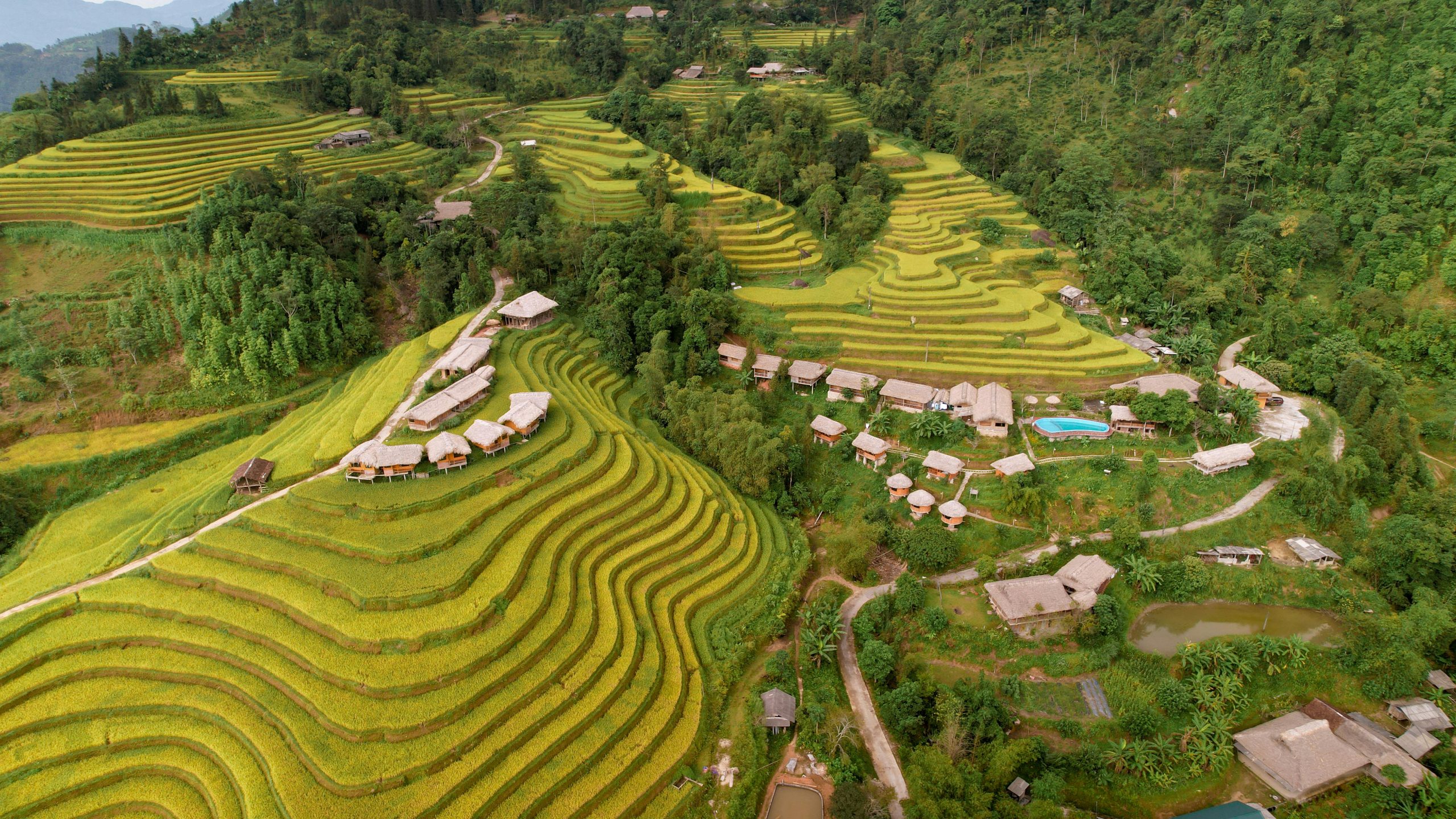
Accommodation along the Loop primarily consists of homestays, guesthouses, and a few small hotels. Staying in a homestay, particularly in towns like Dong Van, Meo Vac, or Du Gia, offers a fantastic opportunity to connect with local families and experience their hospitality.
When it comes to food, Ha Giang offers delicious regional specialties. Don’t leave without trying:
- Thang Co: A hearty stew, often made with horse meat (don’t knock it till you try it!).
- Banh Cuon: Steamed rice rolls, usually served with a flavorful dipping sauce and pork sausage.
- Thit Trau Gac Bep: Smoked buffalo meat, a common delicacy.
- Men Men: Steamed corn flour, a staple food for many ethnic groups.
Ready for Your Ha Giang Adventure?
The Ha Giang Loop is more than just a route; it’s an adventure that will challenge you, inspire you, and leave you with stories for a lifetime. If you’re craving an authentic travel experience that takes you far off the tourist trail and deep into the heart of Vietnam’s stunning northern highlands, then pack your bags, rev your engine (or book your easy-rider!), and prepare for the journey of a lifetime. Trust me, you won’t regret it.